WE BRING THE SOUTH BRONX TOGETHER
Energy Justice in the South Bronx
Where Does Our Energy Come From?
Every day, we rely on electricity to power almost everything: lights, elevators, refrigerators, air conditioners, schools, businesses, hospitals, and public transportation.
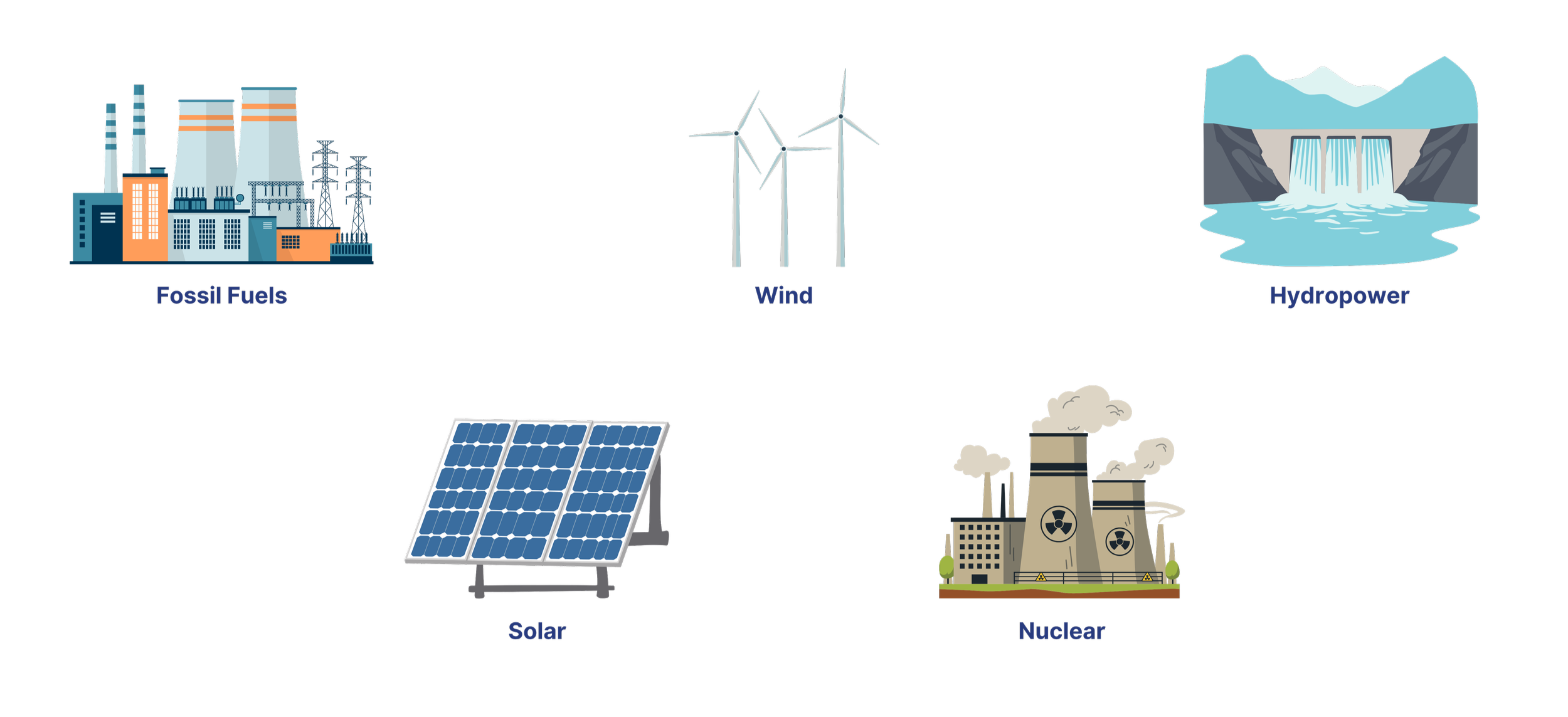
We can make that electricity in different ways.
How Does Energy Get to Us?
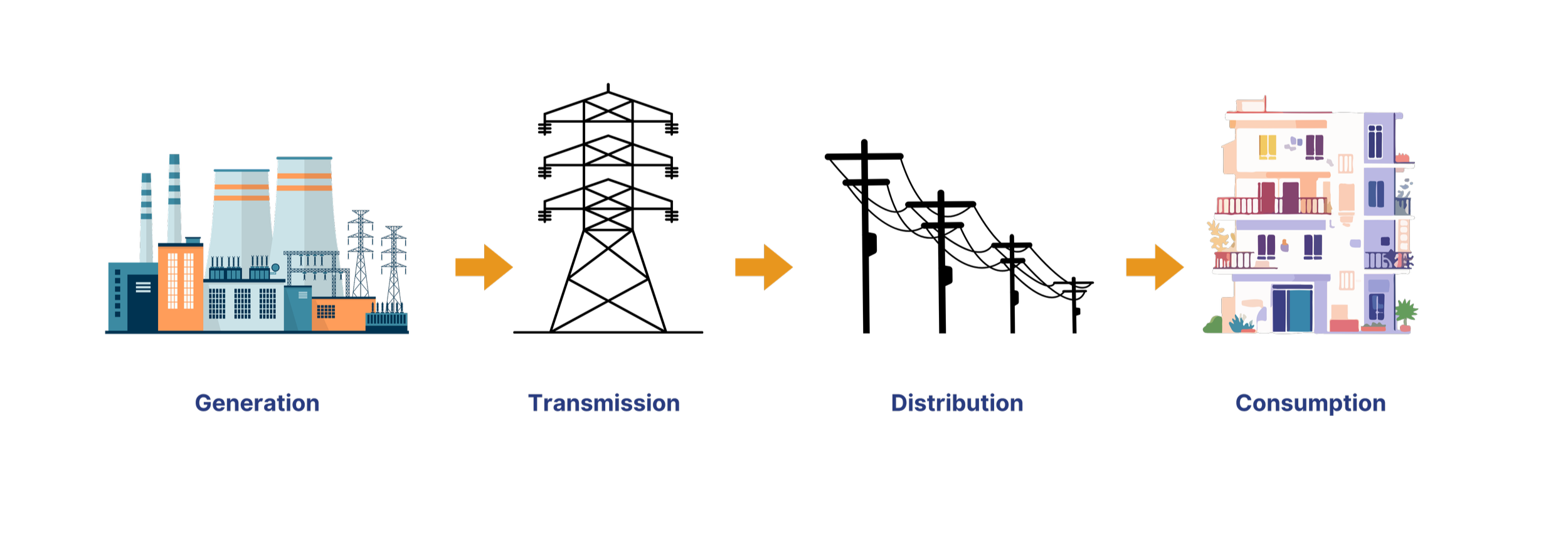
That electricity reaches us through a massive shared system called ‘the grid.’ This is a network of power plants, power lines, and other equipment that provides electricity.
Everyone draws electricity from it. And we can put electricity back into it too.
When New York Needs More Energy, The South Bronx Chokes
When the city's demand spikes on hot summer days, with every air conditioner running at once, the grid needs extra power fast. The city turns to “peaker plants,” called that because, in theory, they only fire at peak times. In practice, the four gas-burning turbines on our waterfront turn on 200+ days per year.
They’re all owned by the New York Power Authority (NYPA).
The Authority, working with state and city officials, fast-tracked them here in 2001. They capped their capacity at just under the level that would have triggered a full environmental review.
The community opposed this. We were already overburdened with pollution, and had (still have) some of the worst air quality in the country.
The state and the Power Authority built them anyway.
They were supposed to run for three years. More than two decades later, they're still here.
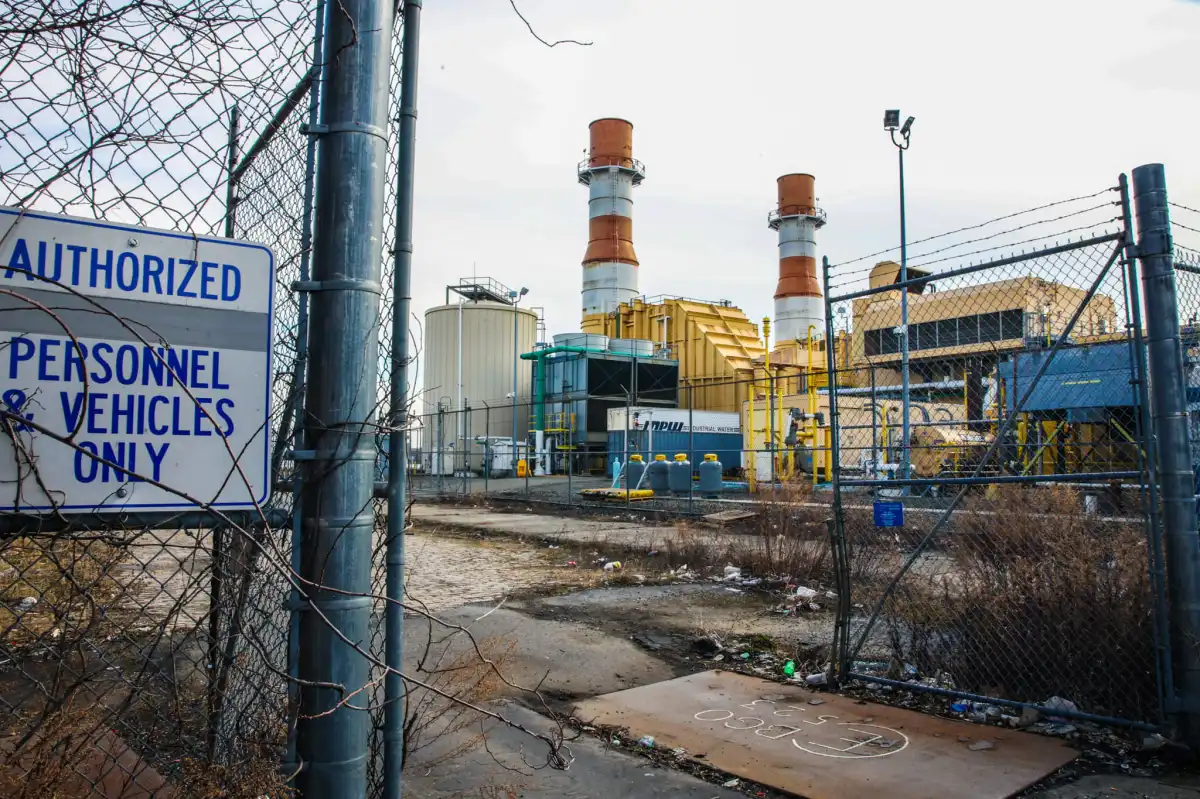
Fossil fuel turbines on the South Bronx waterfront
The City Benefits and We Suffer
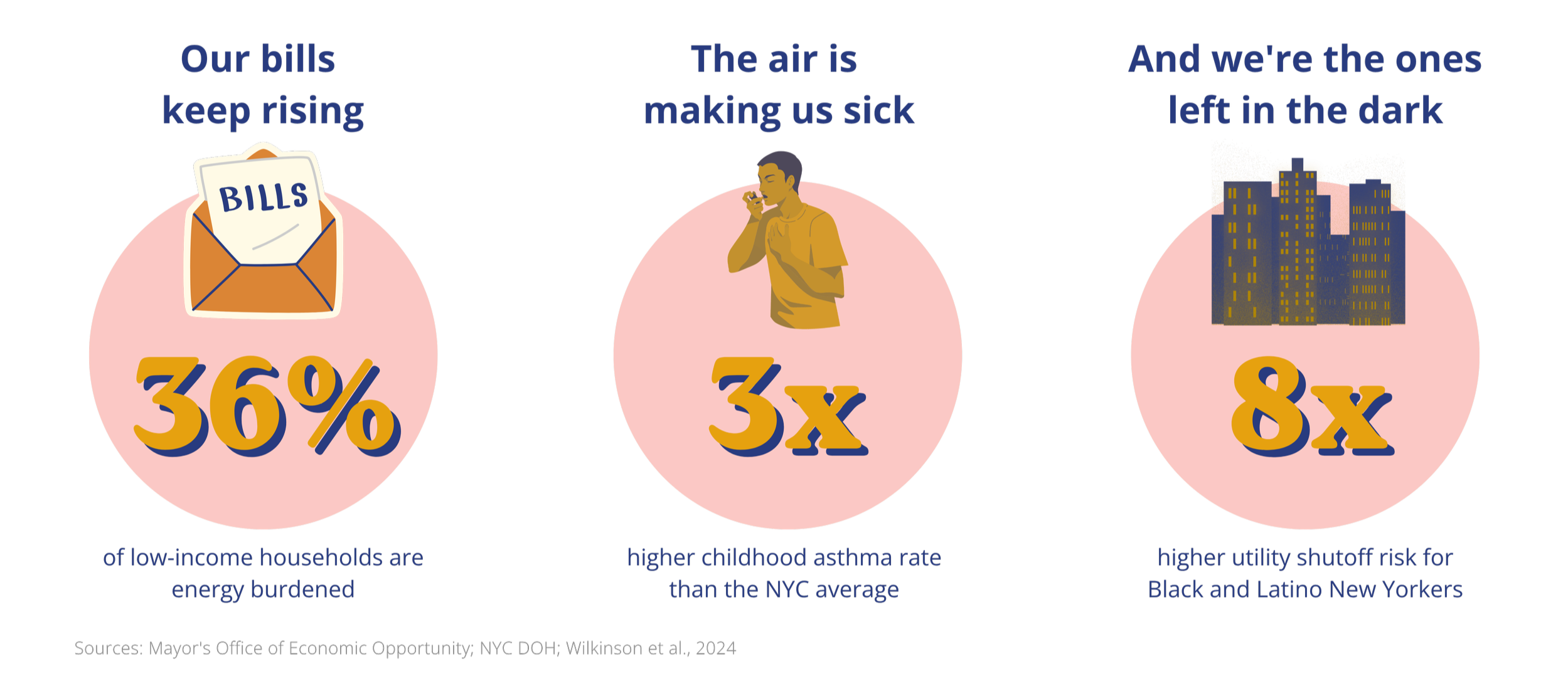
When these peaker plants run, we breathe it. Con Edison passes the cost of running them onto us through our bills and the profits go to the utility companies, not to us.
A Century of Decisions Made About Us, Without Us
This is what happens when a community doesn’t control its own energy.
The question is where electricity comes from, who profits from it, and what it costs to your health and your wallet.
These are political questions. In the South Bronx, the answers have long been decided by someone else.
1980
Heavy industry moves into Port Morris, bringing pollution and cutting residents off from their waterfront for generations to come.
2001
Four gas-burning peaker turbines are fast-tracked onto the South Bronx Waterfront without a full environmental review despite community opposition.
2007
Con Edison builds a major substation in Mott Haven, masking it behind townhouse-style facades after residents raised concerns about the project.
Today
later, the supposedly temporary gas-powered plants that were meant to run for only 3 years are still in operation.
There’s A Better Way to Keep the Lights On
A Virtual Power Plant, or VPP, uses software to link together distributed energy resources like solar panels and batteries across a neighborhood so they work as one.
You can think of it as a clean energy source made out of an entire neighborhood instead of a single polluting power plant.
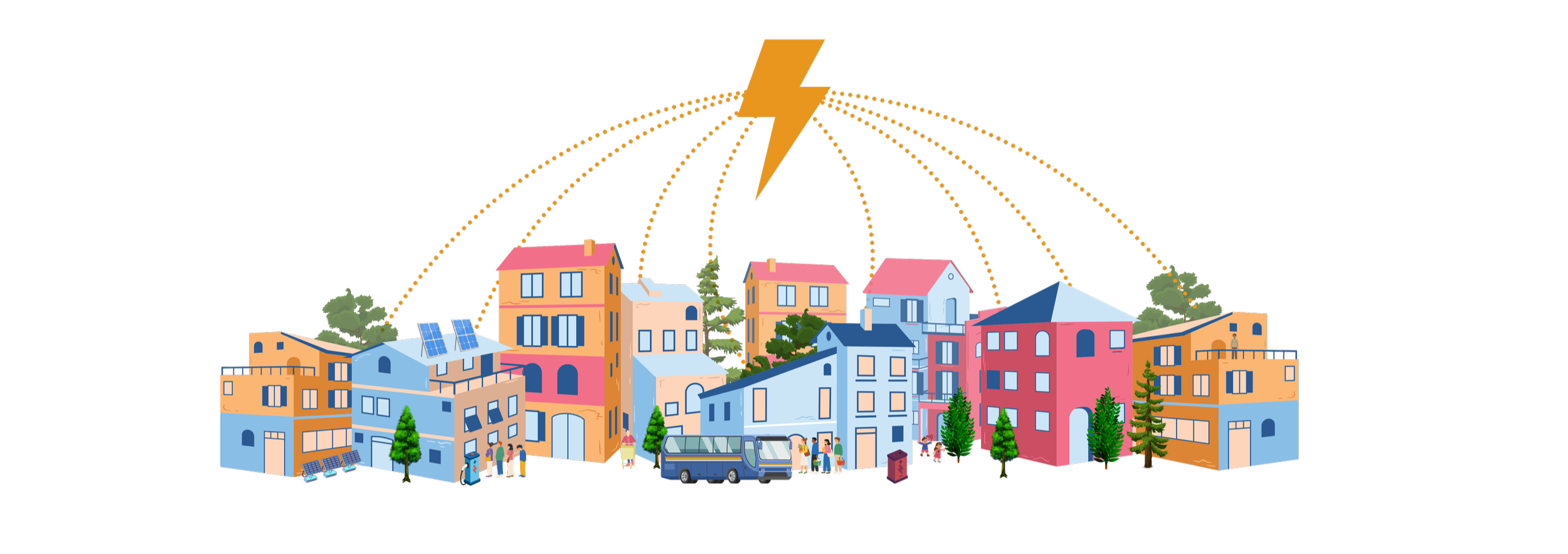
There are 3 Ways to Build a Virtual Power Plant
A VPP can be built in three ways, or through combinations of all three:
Generate it
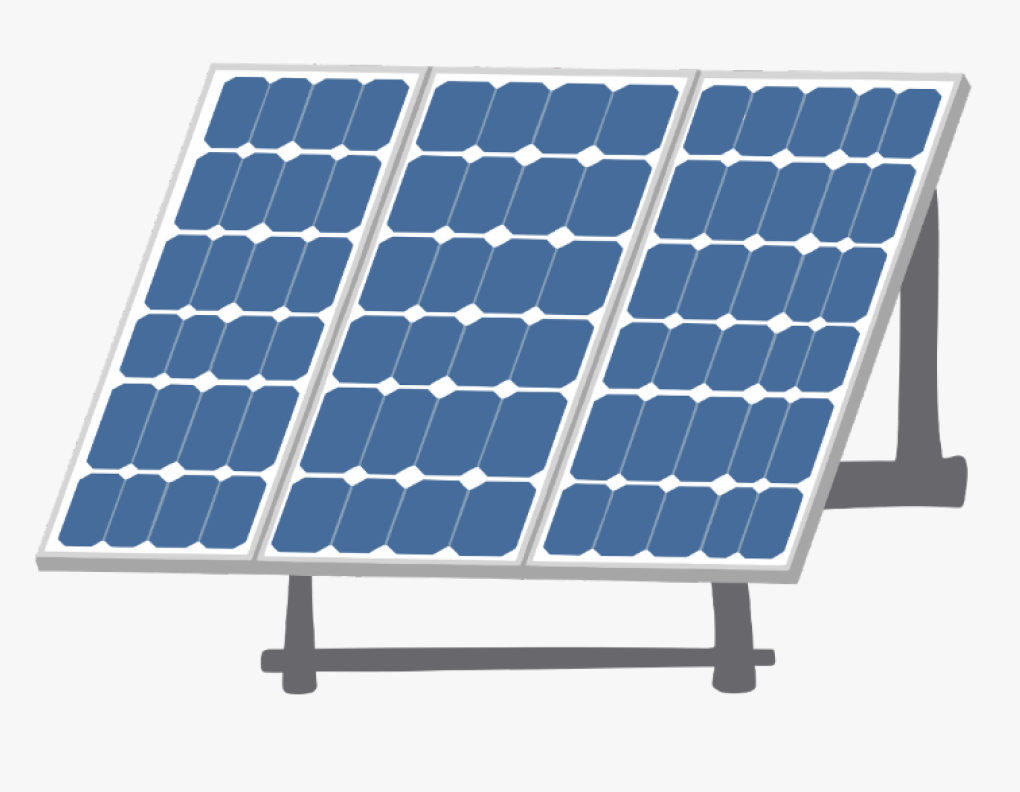
Make the power.
Solar panels on our roofs and in our community gardens turn sunlight into clean energy.
Store it
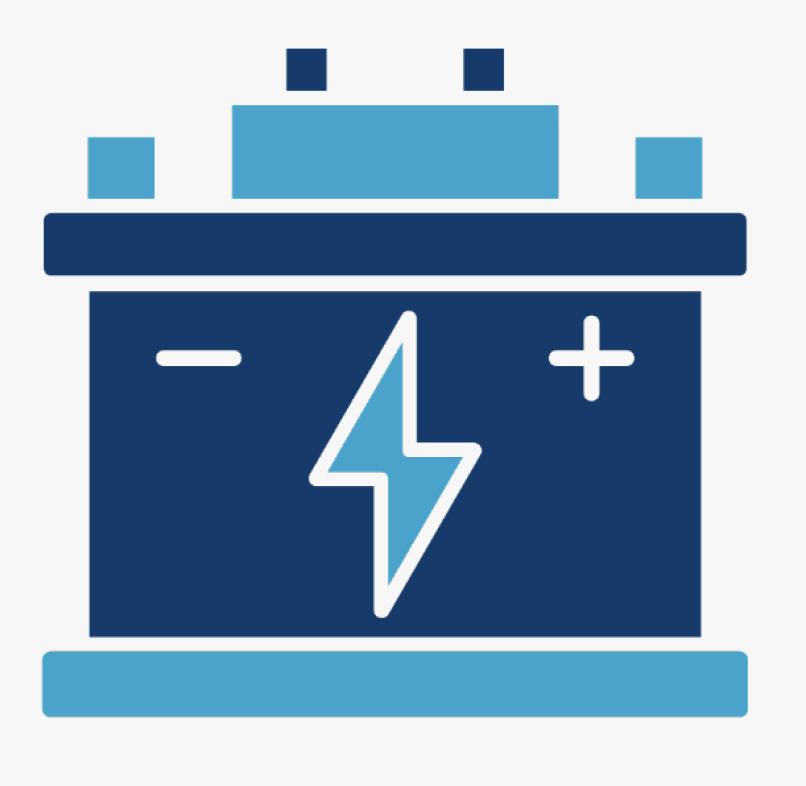
Save it for later.
Batteries hold that power and release it on the hottest days and during blackouts, when we need it most.
Manage it
Use less at the right moments.
Smart thermostats and other appliances ease back slightly when demand is high so we need less power overall.
How a Virtual Power Plant Works
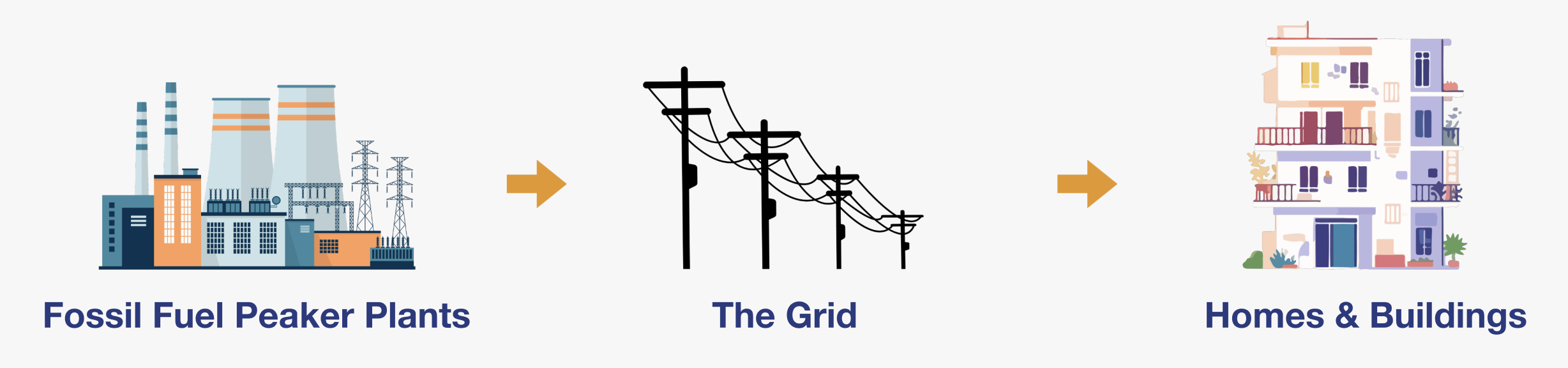
Imagine it's a hot summer afternoon. Every air conditioner in the city is running. The grid needs more energy.
Right now, the answer is to fire up the peaker plants on our waterfront.
With a VPP, solar panels on rooftops generate electricity all day. Batteries store this energy. When demand spikes, the batteries release this stored power into the grid. At the same time, smart thermostats across hundreds of apartments ease back slightly to reduce energy demand.
The neighborhood is drawing less power from the grid and generating more of its own.
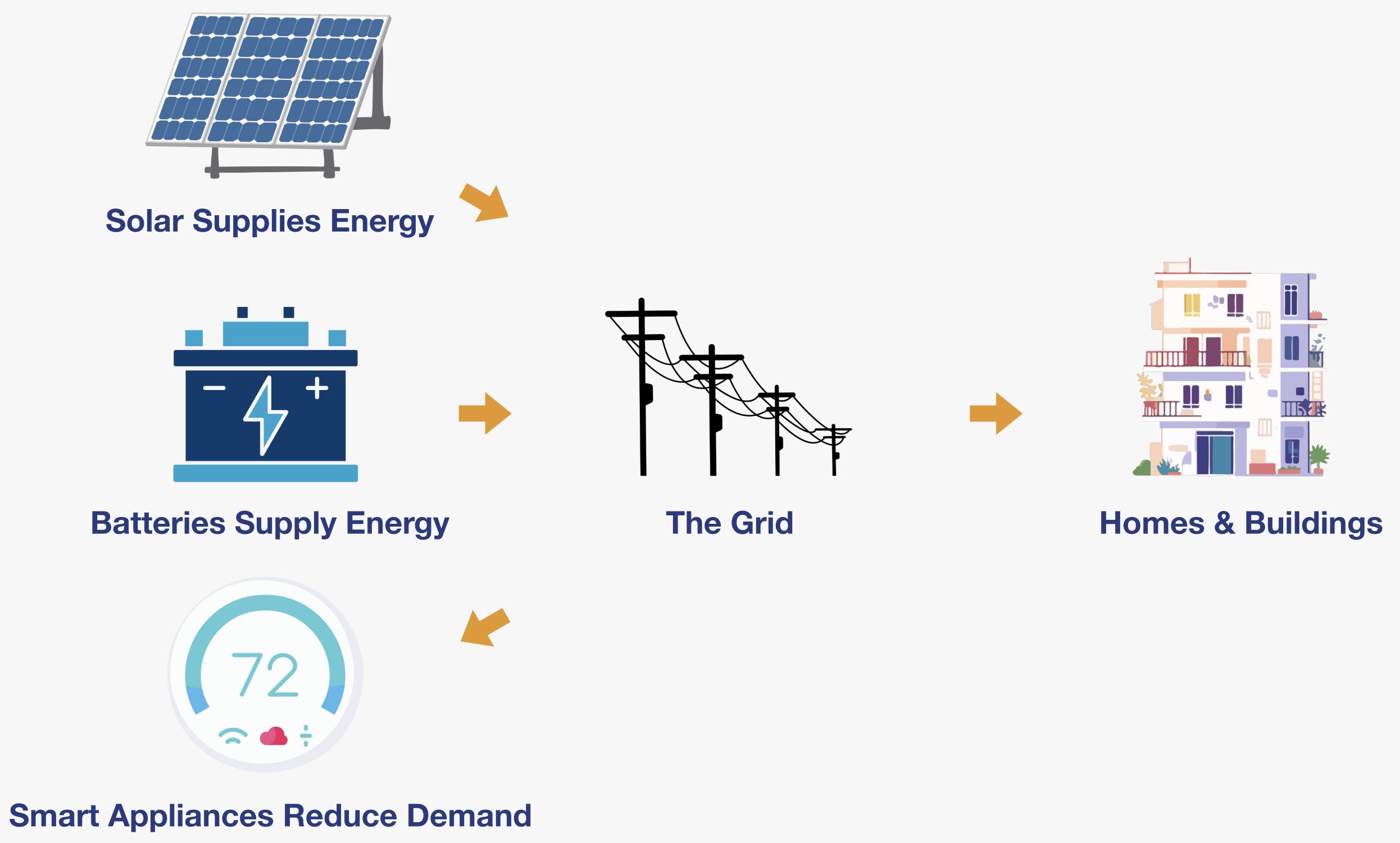
Together, these three things can make up for some of the energy that a peaker plant would otherwise need to provide, reducing how often it needs to run.
This means the energy that a VPP provides can be cleaner and cheaper.
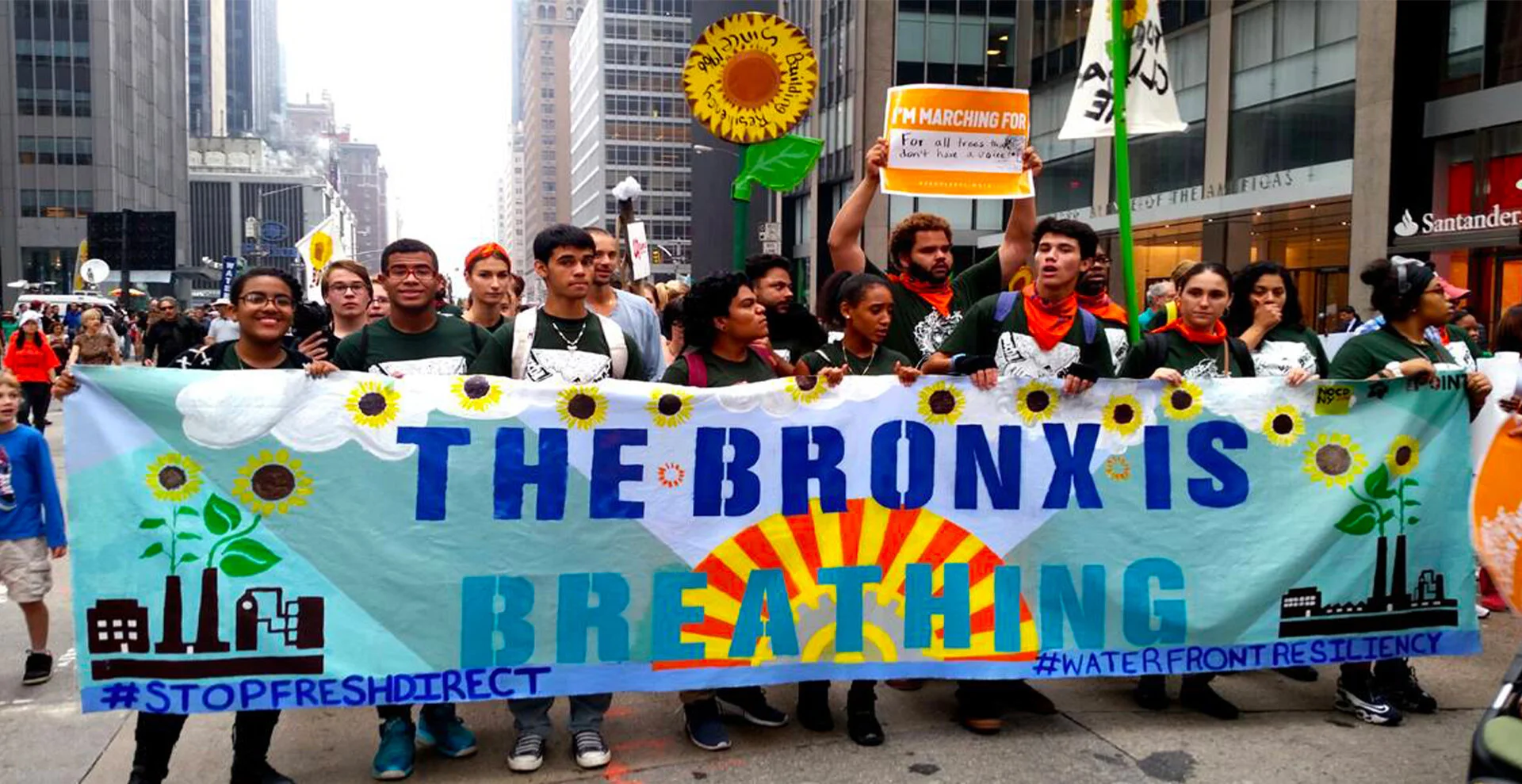
Run by The People of the South Bronx
Most VPPs are owned by private companies. They sign up households, pool their energy, sell it to the grid, and keep most of the profits.
The residents who make it possible get a few dollars off their bill while the company keeps their energy data.
It doesn't have to work that way.
The same technology can serve the people who live here.
The savings stay with residents. The revenue is reinvested in the neighborhood, and the community decides what to do with it.
What This Could Mean for Us
Here's what community-managed energy could mean for the neighborhood.
-
The savings that stay with residents instead of going back to the utility companies.
-
VPPs provide work and training in the clean energy sector, that goes to people who live here
-
We keep power storied in our batteries together, which keeps the lights on here when the grid goes down
-
Reduced reliance on the peaker plants means less air pollution that we breathe.
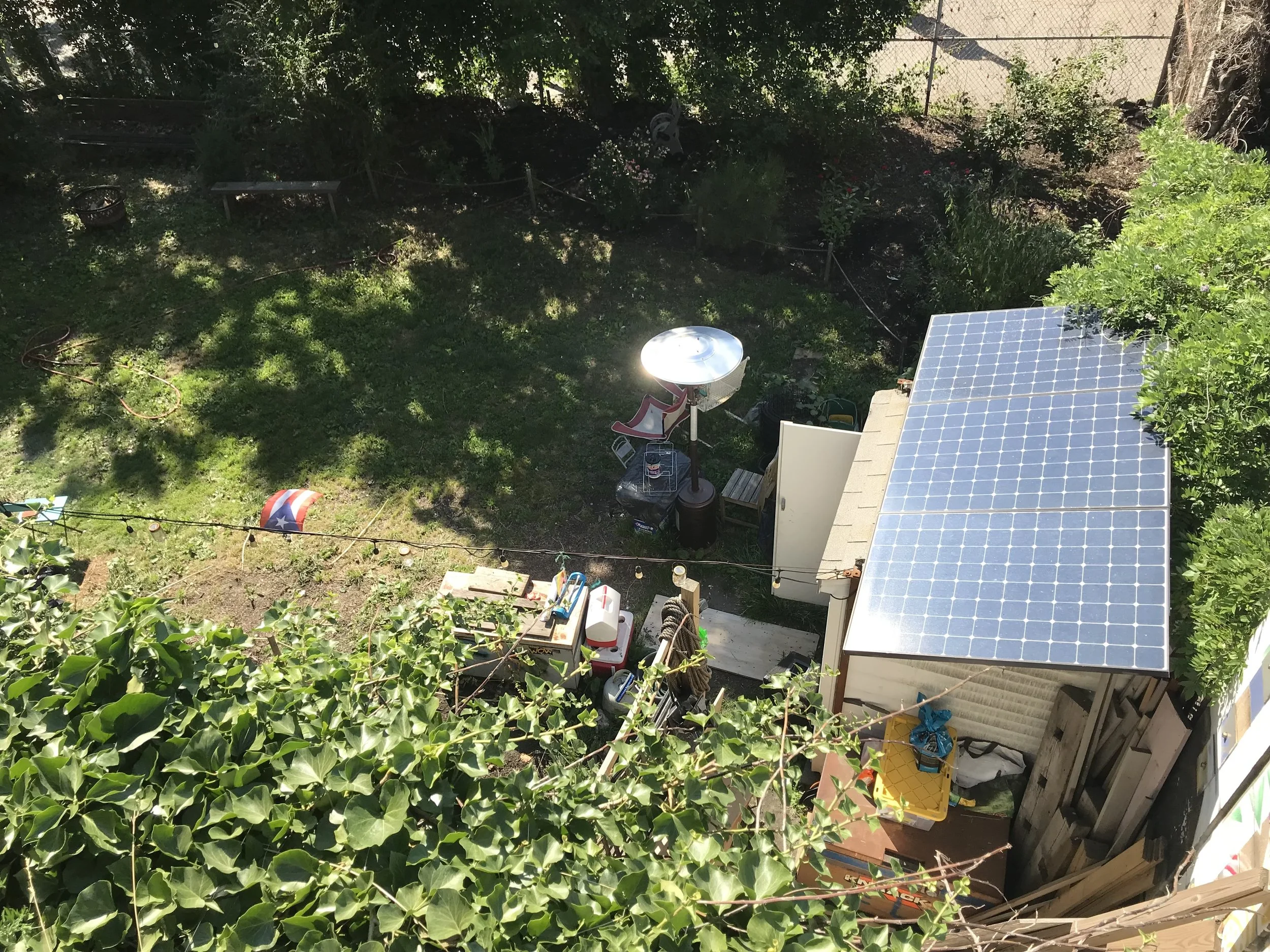
A solar panel at Maria Sola Green Space shows a glimpse of our community’s energy future.
Our Waterfront Could Power Us
Despite being surrounded by water on three sides, for a century we’ve had little public waterfront access in the South Bronx.
What's there instead is polluting infrastructure, including two peaker plants, a Con Edison substation, heating oil storage, and constant truck traffic from waste transfer stations and last-mile warehouses like Fresh Direct.
We’ve been imagining what’s possible for our waterfront for over a decade. We’re exploring how a community-managed Virtual Power Plant could be part of that vision.
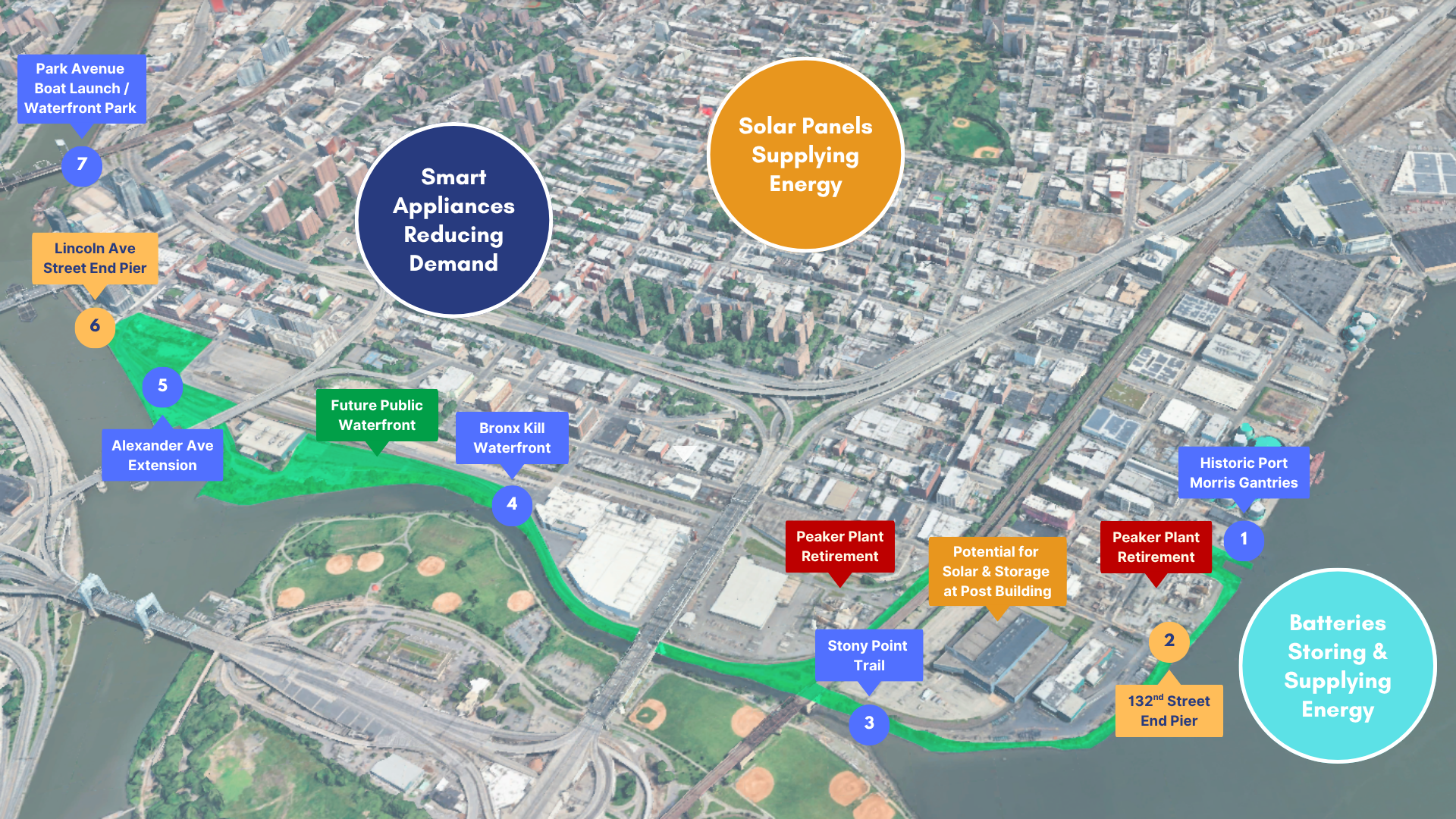
This is part of a bigger vision. Our Mott Haven–Port Morris Waterfront Plan is a blueprint for a public, healthy, climate-resilient shoreline.
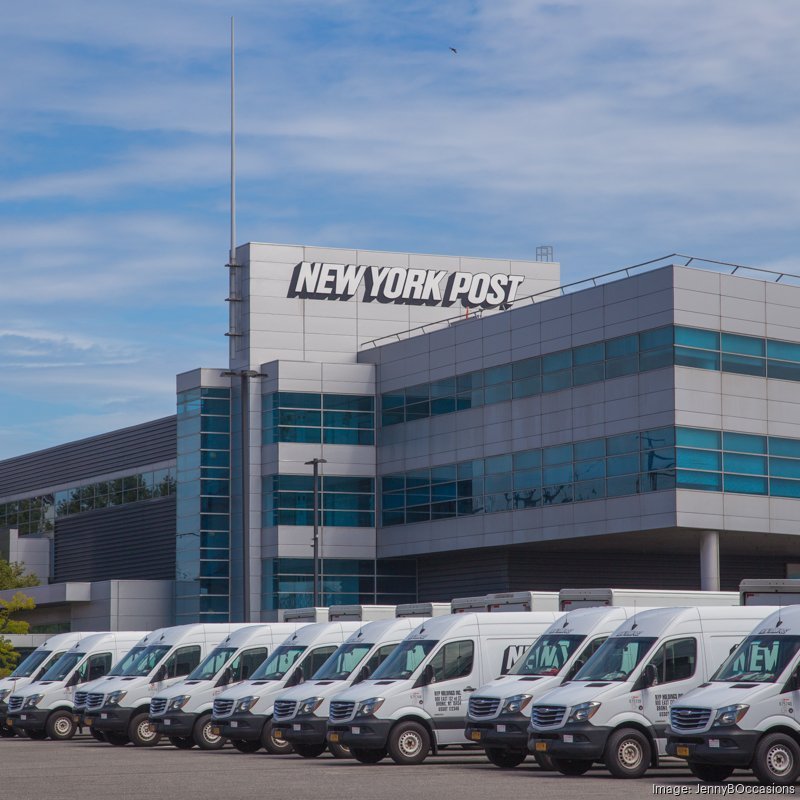
The New York Post Building
In between the two NYPA peaker sites on the Port Morris waterfront sits the former New York Post printing plant, which has sat vacant since 2020.
Its rooftop could hold community-owned solar and its grounds could house battery storage.
The building itself could become a green jobs hub, manufacturing equipment for the energy transition and creating local work.
Early analysis shows the rooftop alone could generate more than twice the solar power of the Sunset Park Solar installation in Brooklyn.
This is Yours to Shape
While our partners at MIT are providing the expertise in Virtual Power Plants, residents like you will make the decisions.
What concerns do you have? What would you want to see from a community-run energy system?
Our neighborhood has carried the costs of New York City's energy system for generations.
Together we must have a say in what comes next.
This Has Been Done Before: Community-Run Energy Case Studies
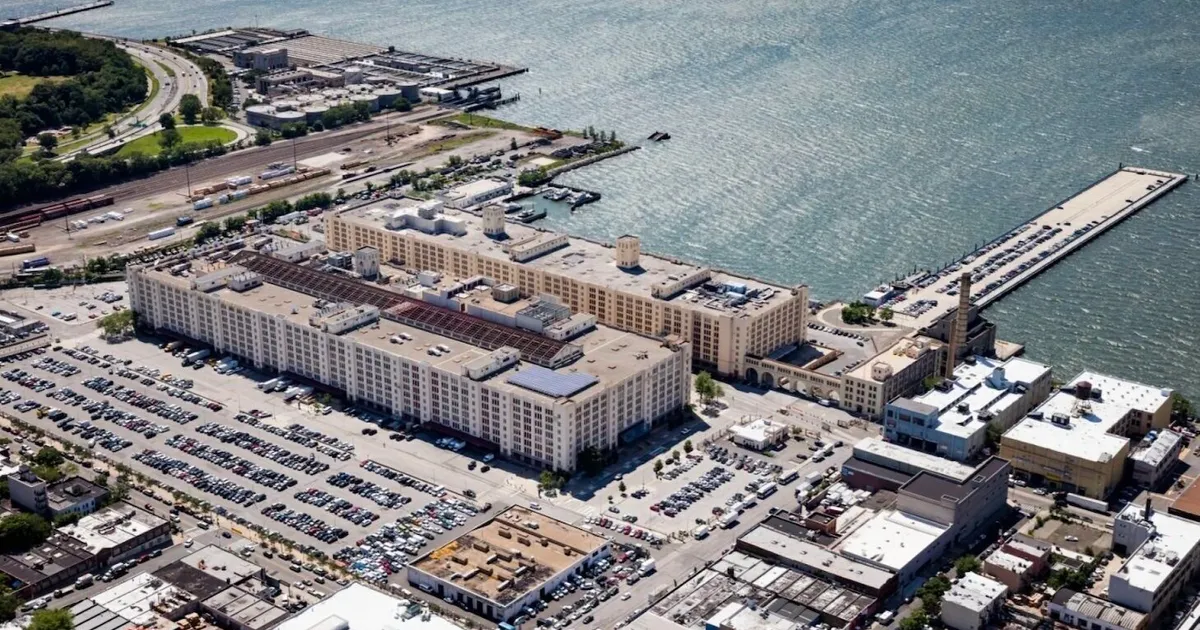
Sunset Solar Park, Brooklyn
The city's first community-owned solar project. Participants save ~20% on their ConEd bills.
Chelsea, Massachusetts
A neighborhood-led ‘virtual microgrid’ connecting buildings through a shared community platform.