WE BRING THE SOUTH BRONX TOGETHER
The Mott Haven-Port Morris
Waterfront Plan
Today, We Don’t Have Access to Our Own Waterfront
As Manhattan enjoys yet another new waterfront park (i.e., Little Island, with a price tag of $260 million), in the South Bronx, a coastal community, we still don’t have access to our waterfront.
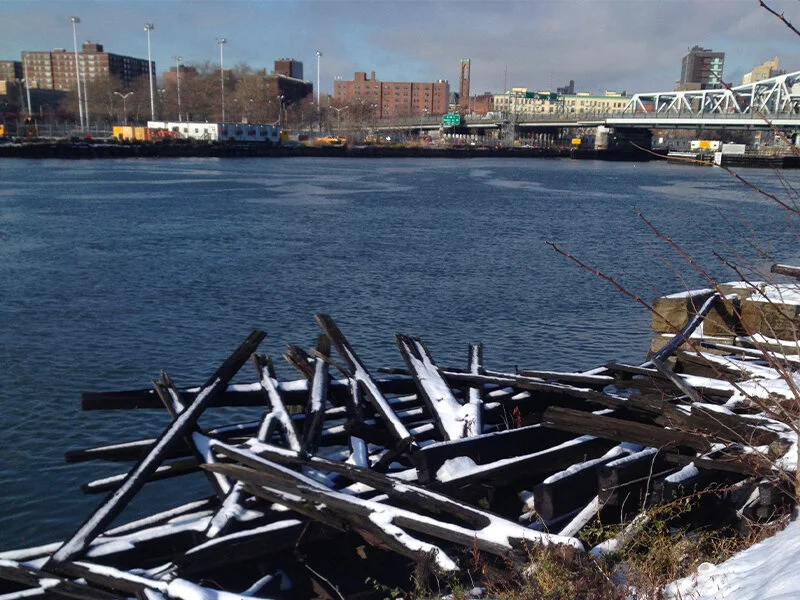
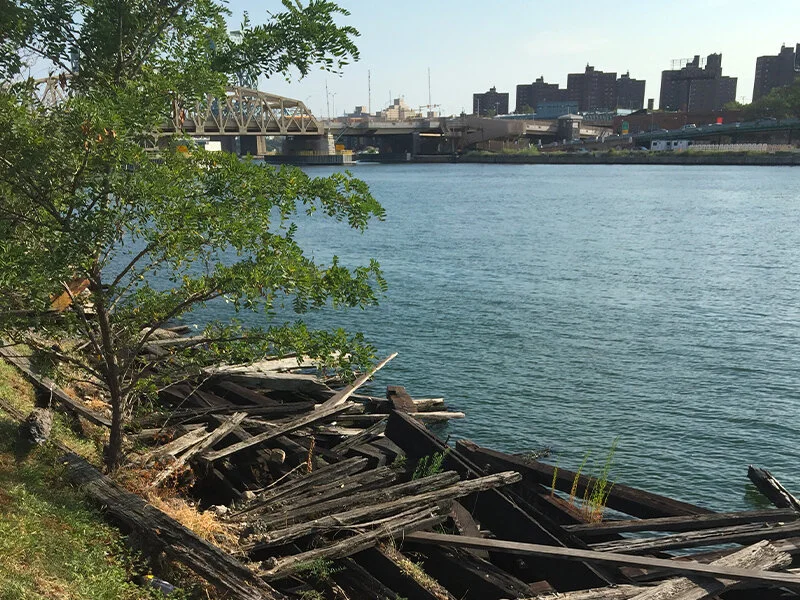
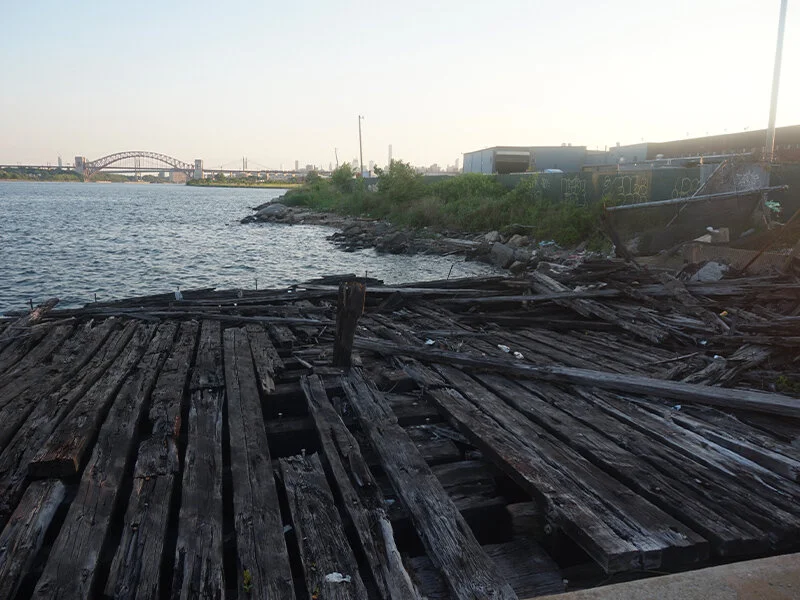
Instead, our waterfront is dotted with
Waste transfer stations
Peak power plants
Abandoned printing presses for The Wall Street Journal and New York Post,
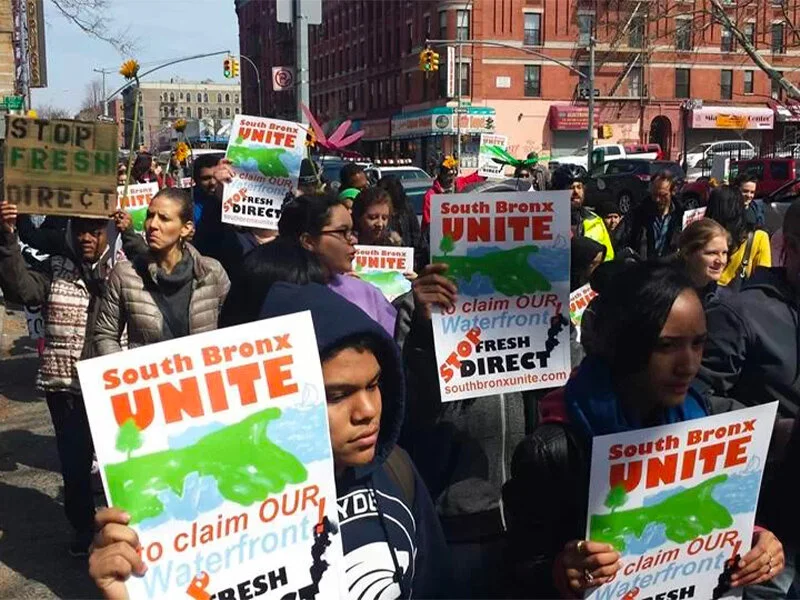
Warehouses for companies like Fresh Direct, which alone sees approximately 1,000 daily diesel truck trips.
All of this, combined with major expressways that surround and cut through our community, has resulted in some of the worst air pollution levels in the country. The very air we breathe is killing us.
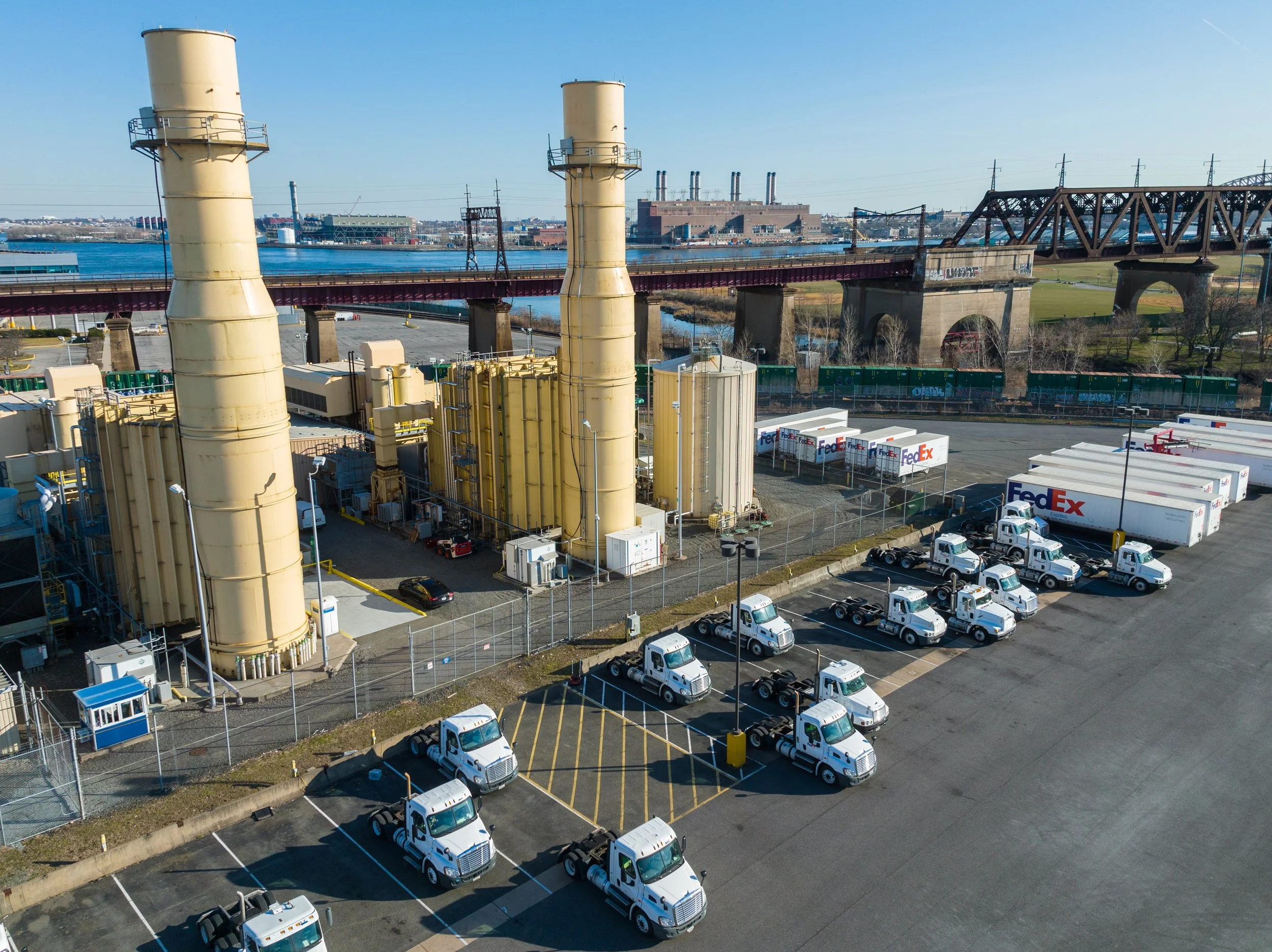
Fossil-fuel power plants and FedEx trucks on publicly-owned waterfront land.
Access to the Waterfront, Green Spaces, and Cleaner Air is a Fight For Our Very Lives
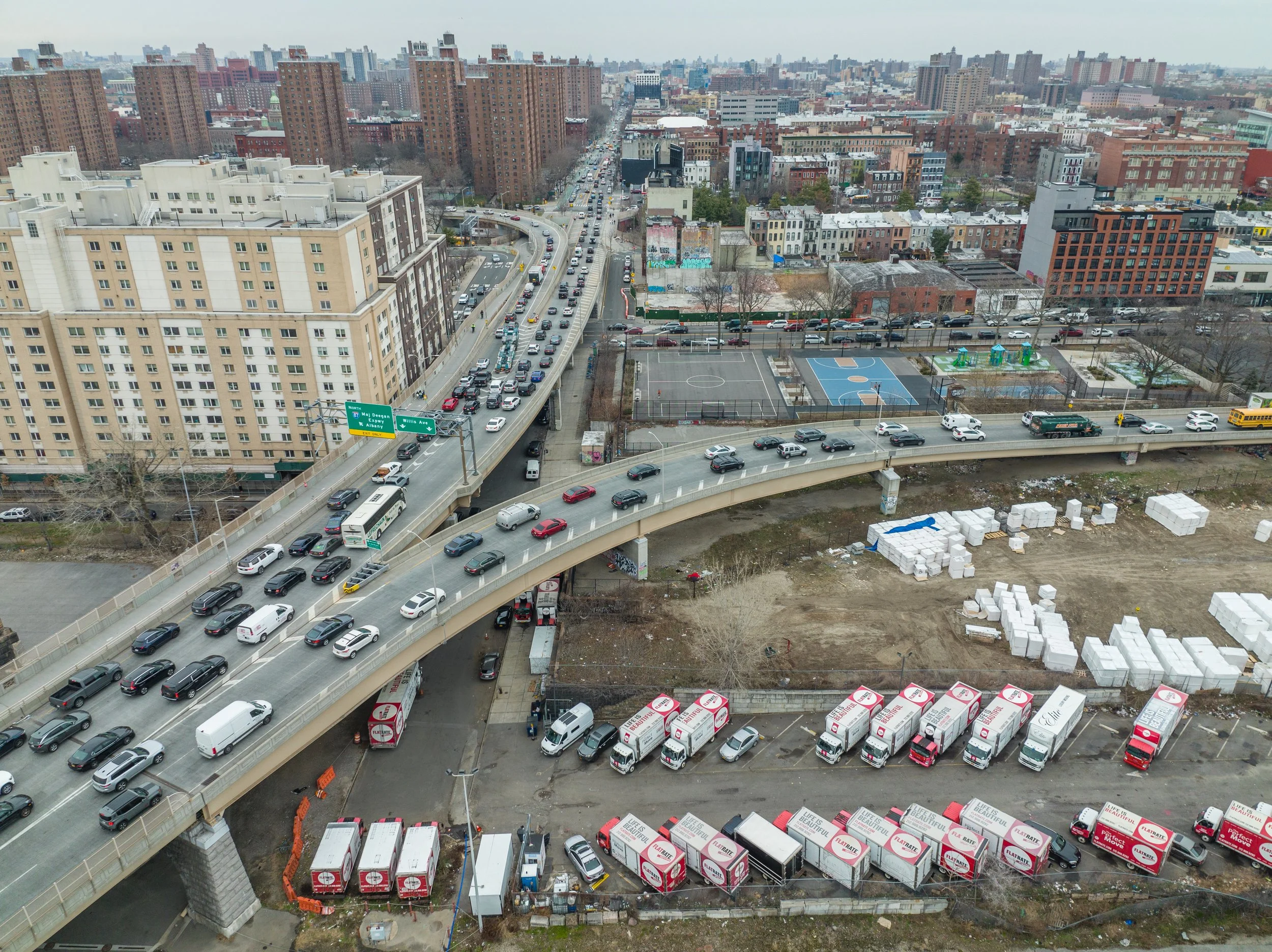
Known as “Asthma Alley,” one in five children in the South Bronx suffers from asthma (the highest in the country), and asthma hospitalization rates are 20 times higher than in Lower Manhattan.
According to a 2019 study by the National Academy of Sciences, Black Americans are exposed to approximately 56% more pollution than is caused by their consumption, and Hispanic Americans 63% more, whereas non-Hispanic whites breathe about 17% less air pollution than they cause.
In other words, we are breathing the pollution generated by white people’s consumption of goods and services.
Our Waterfront Should Heal,
Not Harm Us
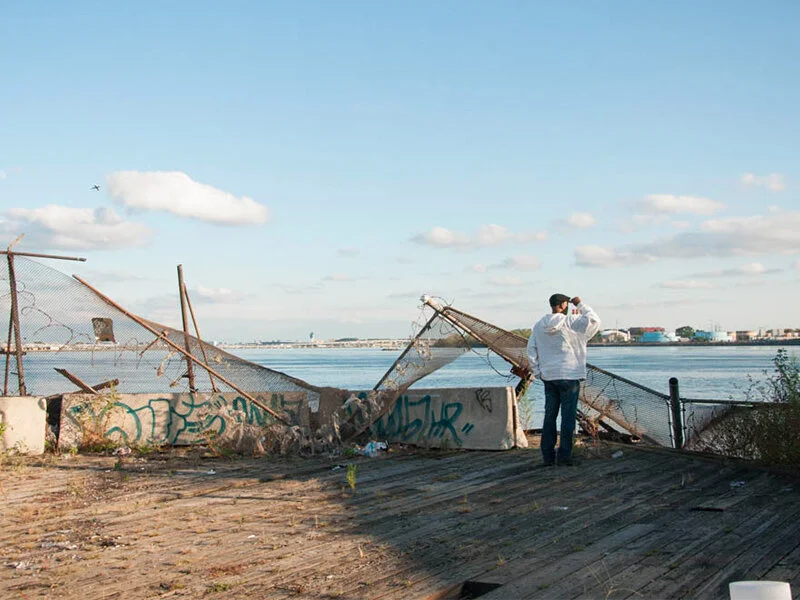
The South Bronx is a peninsula with water on three sides. We could have access to piers, parks, and green space, but instead, we get pollution.
We demand that our waterfront heal us, not harm us.
That’s why we came together to create this plan.
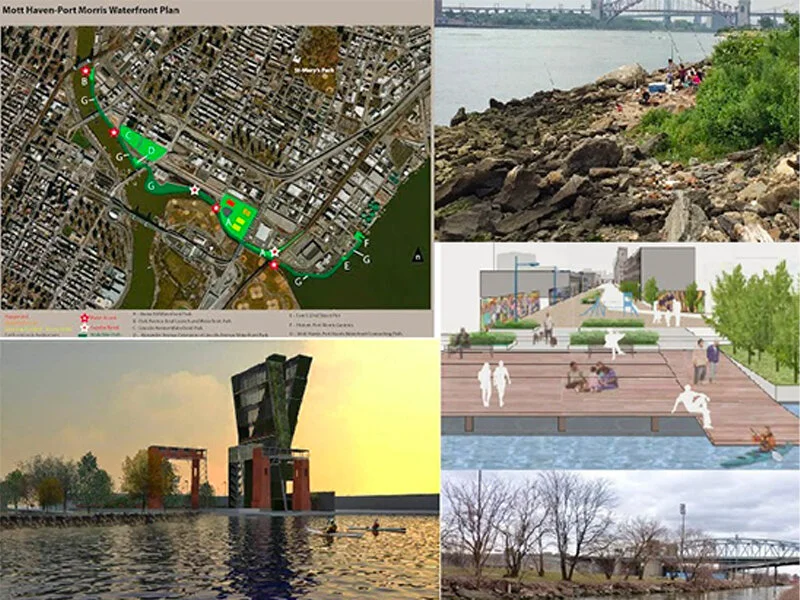
The Mott Haven-Port Morris Waterfront Plan
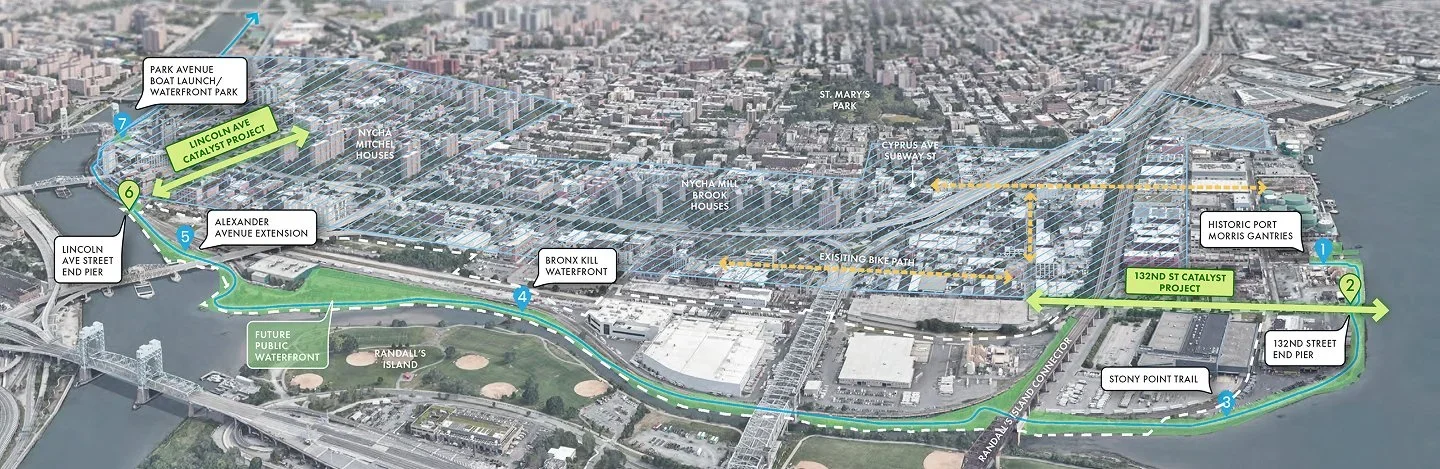
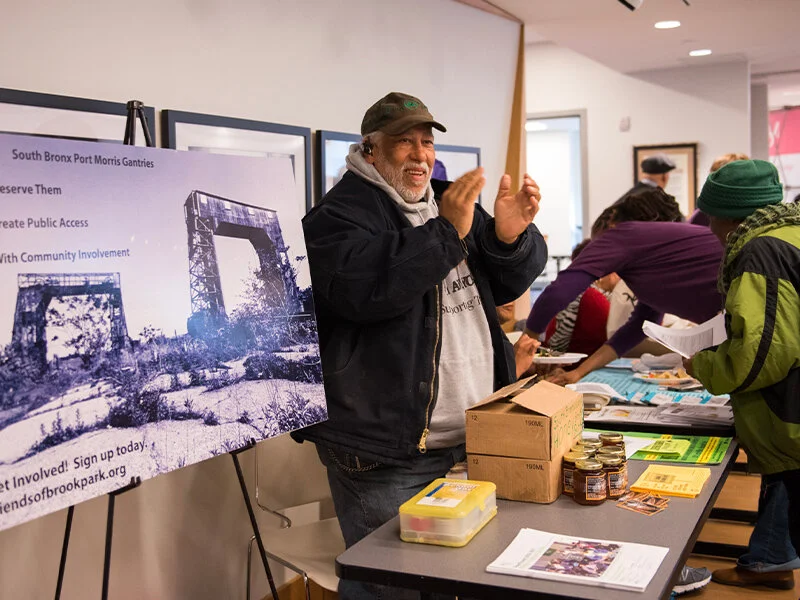
The Mott Haven-Port Morris Waterfront Plan would provide 100,000+ people access to a public waterfront for the first time since Calvin Coolidge was president. Beginning in 2012, we brought South Bronx residents, allies, and academic experts together to create our community’s vision for the waterfront. In 2014, New York State recognized it as a NYS Priority Project. They included it in the Department of Environmental Conservation Open Space Plan. The New York City Parks Department included in the Harlem River Watershed and Natural Resources Management Plan for the Bronx. We’ve developed this plan to aligned with rezonings on adjacent land, as well as Vision 2020 and Vision 2030 NYC Comprehensive Waterfront Plan. Over a decade later, this vision remains unfulfilled, despite the massive benefits it will bring.
Keeping Land in Community Hands
Environmental improvements often lead to rising property values, increased speculation, and the displacement of long-time residents. This is called green gentrification. The people who’ve fought for a cleaner, healthier South Bronx deserve to stay and benefit from these improvements. This is why fighting for the waterfront goes hand-in-hand with safeguarding our land for the benefit of the community. The Mott Haven-Port Morris Community Land Stewards is a community land trust partner of South Bronx Unite. As we create new parks, green spaces, and climate-resilient infrastructure, our community land trust helps mitigate displacement in the South Bronx. Learn more about our community land trust and anti-displacement principles.
This is Already Public Land
The majority of The Waterfront Place sits on a 96-acre plot of public waterfront land leased in 1991 by the NYSDOT to Harlem River Yard Ventures, Inc.
Harlem River Yards currently subleases to a variety of diesel truck-intensive industries, including FreshDirect, as well as a 5,000-ton-per-day waste transfer station, a 2,000-ton-per-day waste transfer station, and several fossil fuel peaker power plants.
The effect of such facilities on air quality in the South Bronx, where we have an asthma epidemic, is egregious. The Mott Haven-Port Morris Waterfront Plan would help offset this health crisis.
See The Sections of The Waterfront Plan
The Benefits of The Waterfront Plan
The Benefits of
The Waterfront Plan
-
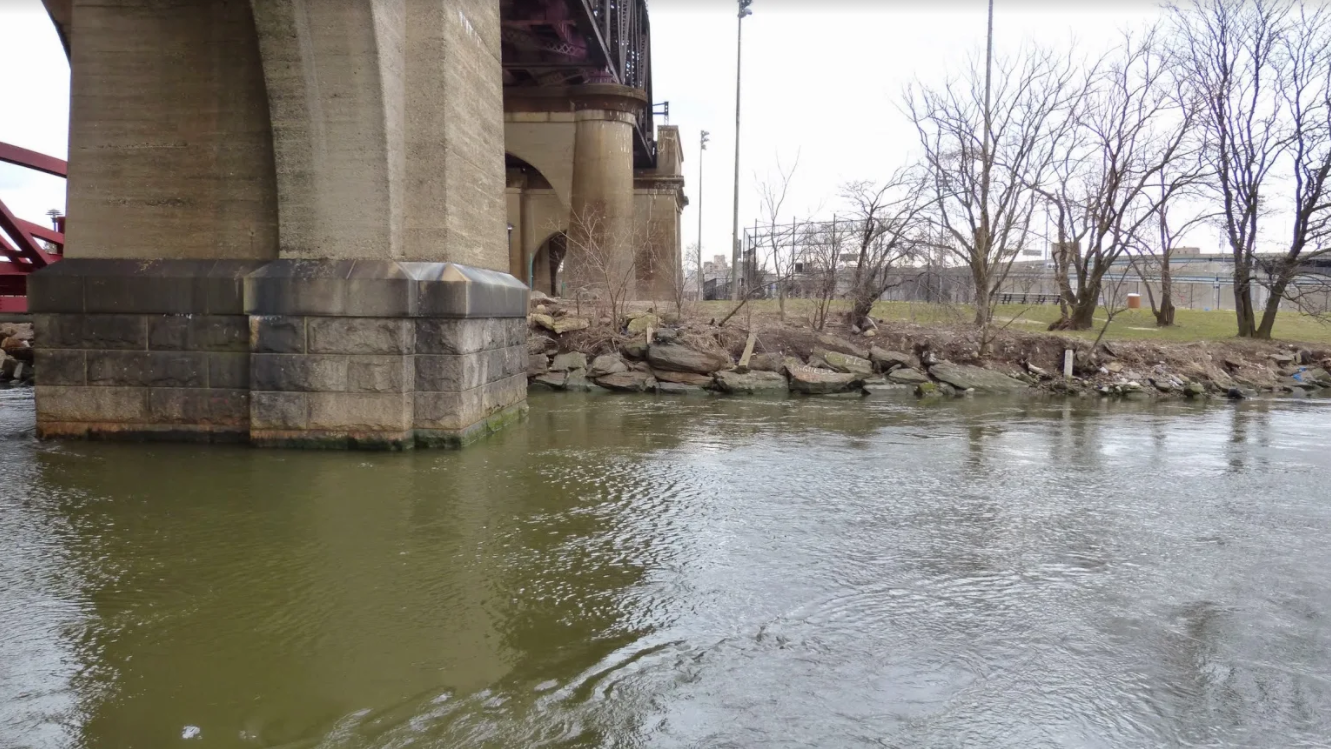
A public waterfront would create safe, welcoming space for walking, biking, fishing, kayaking, and gathering. For a community of over 100,000 people, it means having room to breathe, move, and connect outdoors. We’re collaborating with the New York City Department of Transportation to incorporate the waterfront into plans for the Harlem River Greenway, specifically along the Harlem River Yards.
-
Access to green space is directly linked to lower stress, improved cardiovascular health, and better mental wellbeing. In a neighborhood burdened by asthma and pollution, this is preventative healthcare.
-
Replacing diesel-heavy industrial uses with trees, wetlands, and open space helps filter pollutants and reduce heat. Green infrastructure can begin to reverse decades of environmental harm.
-
After Hurricane Sandy, our waterfront was upwards of 3.5 feet underwater, flooded from storm surge and toxic sludge from the nearby industry. Instead, we demand living shorelines, wetlands, and resilient park design absorb storm surge and reduce flood risk. As climate change intensifies coastal flooding, the waterfront must protect residents, not endanger them.
-
For generations, our waterfront has been used to store and process the city’s waste. This plan corrects historic inequities by prioritizing community health and public access over polluting infrastructure.
-
According to an analysis by Earth Economics, the Waterfront Plan will provide $258 million (USD 2021) in social, environmental, and economic benefits every year.
With an estimated cost of $145 million (USD 2028), it will be a net economic benefit from the beginning.
This includes savings from stormwater management, flood protection of critical infrastructure and businesses, improved health outcomes (like reduced hospital bills from heat-related illnesses and illnesses preventable through increased physical activity), and savings related to energy bills.
Additionally, the Plan will support 537 construction jobs and another 1,063 jobs in related industries, generating at least $105.3 million (USD 2021) in local economic activity over 50 years.
-
Parks and waterfront access create shared space where neighbors gather, build relationships, and strengthen civic life. Public space builds safer, more connected communities.
We’re Organizing Around Phase 1:
Lincoln Ave & The East 132nd St Pier
Transforming 96 acres of waterfront won’t happen overnight.
As we continue to fight for the vision of the entire plan, we’re focused on making phase 1 a reality. These are two highly visible, publicly owned street-end sites at Lincoln Avenue and the East 132nd Street Pier.
These locations are already used informally for fishing and gathering. With the right investment, they can become safe, resilient, and permanent public waterfront access points for the South Bronx.
In 2024, we applied for a federal EPA Community Change Grant to fund this first phase. The grant would have jump-started construction at Lincoln Avenue and restored the 132nd Street Pier.
But in early 2025, as the federal government withdrew environmental justice–related funding opportunities, it became clear we would not receive a decision.
That setback does not change the need. We continue to move forward.
Now we’re organizing locally, pushing city and state agencies to fund and implement Phase 1, strengthening partnerships, and bringing more neighbors into the project.
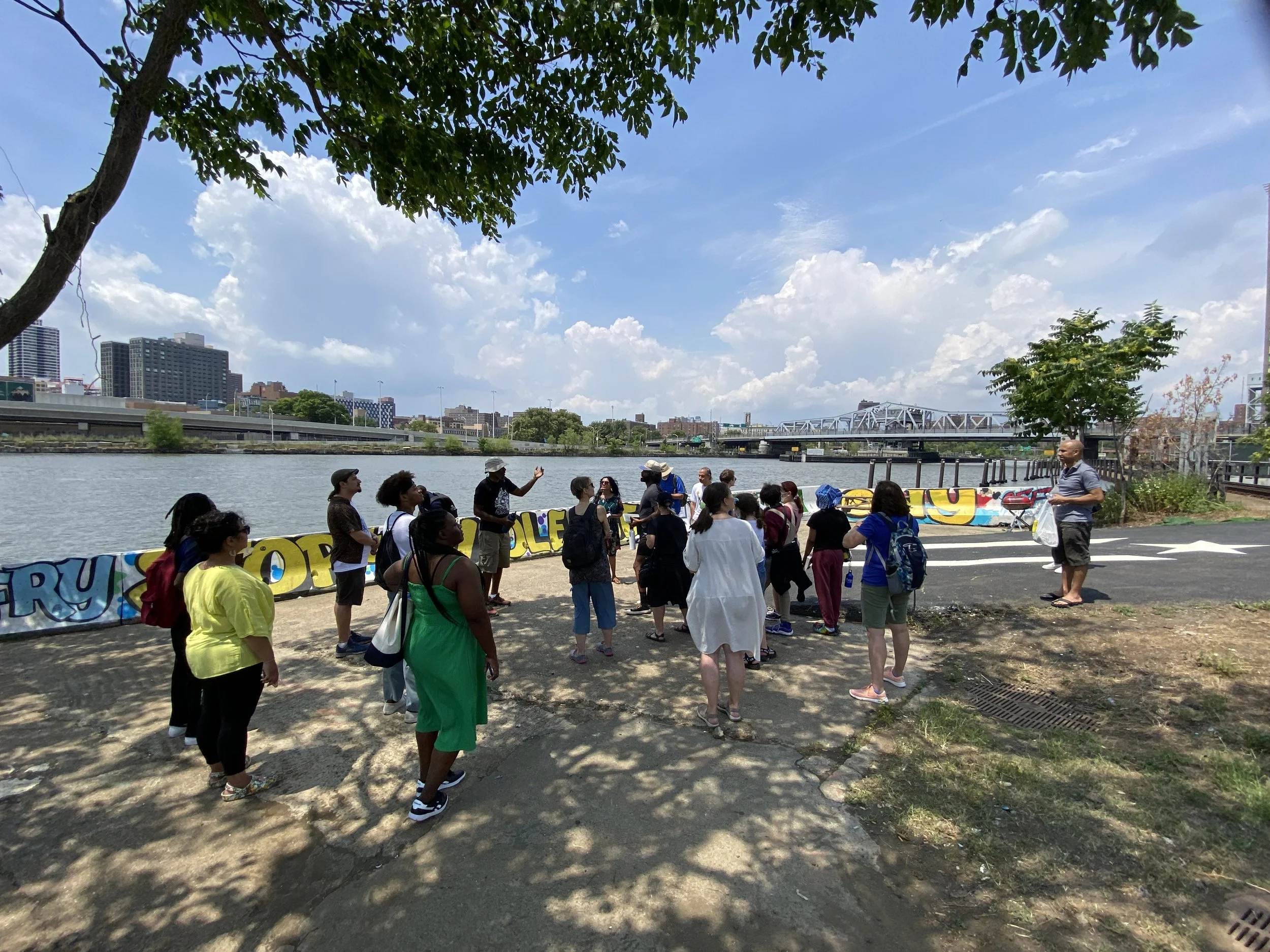
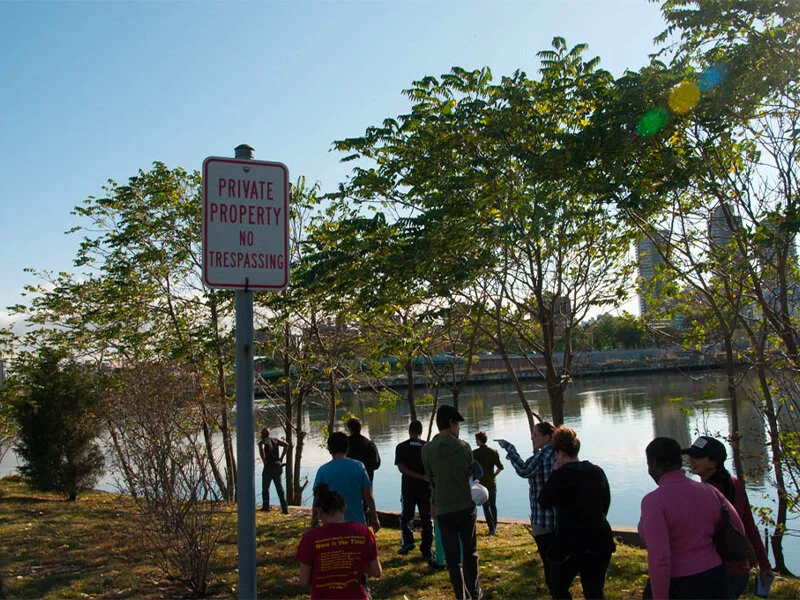
A South Bronx Unite waterfront tour with local residents at the Lincoln Avenue street end.
More than a decade ago, New York State recognized this as a Priority Project. Recognition is nice, but for the health of the people in the South Bronx, we need to make this a reality.
We’re Not Waiting to Transform Our Waterfront
Waterfront Tours
The best way to understand why this fight matters is to see it for yourself.
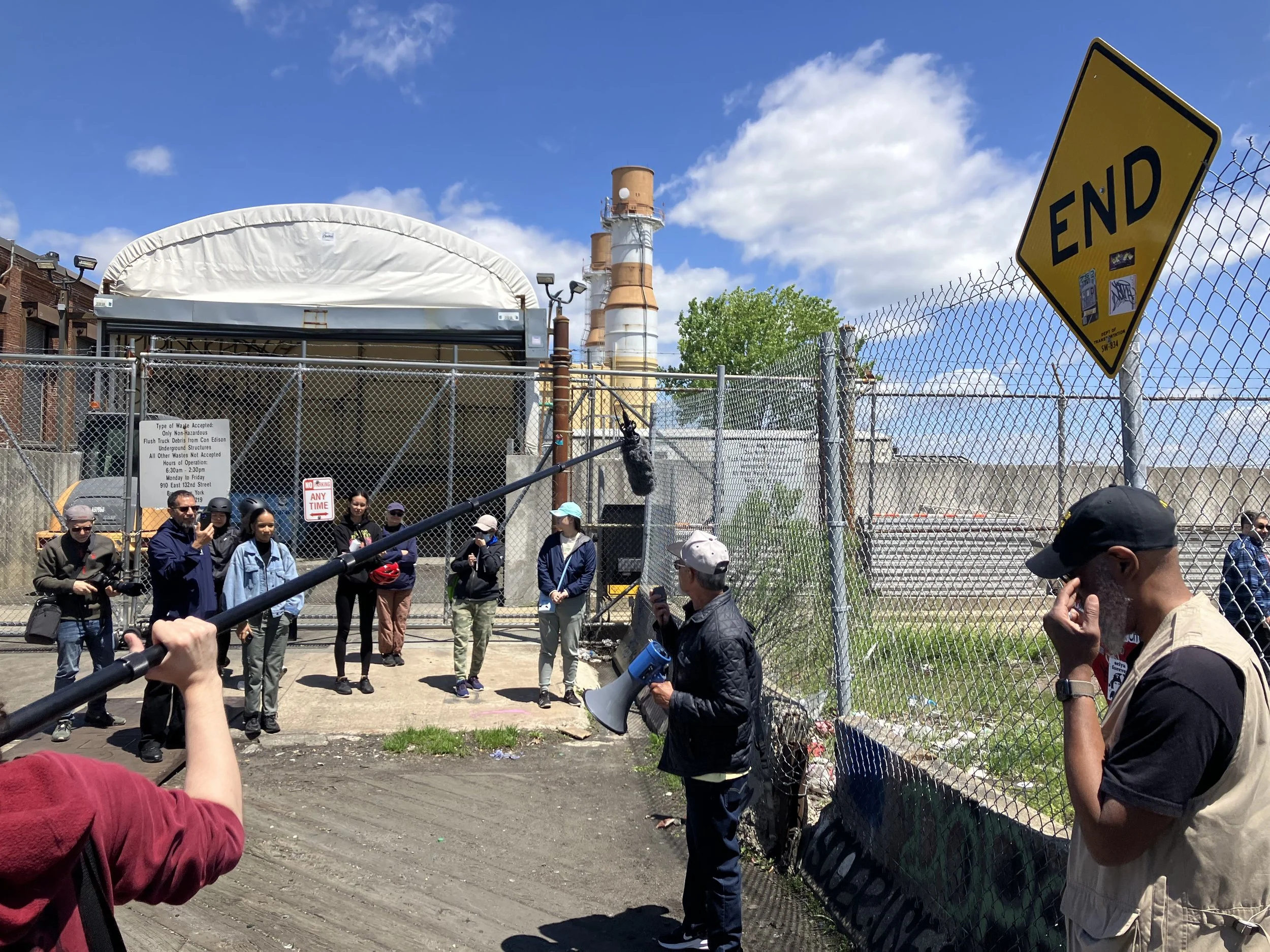
We host waterfront tours throughout the year, walking or biking the sites included in the Mott Haven–Port Morris Waterfront Plan and sharing the history, the harm, and the possibility.
We also organize tours for residents, schools, and community groups who want to learn more and help move the plan forward.
Yes, we need political will.
But political will starts with people coming together.
There is no South Bronx Unite without the people of the South Bronx.
The conversations during a walk along the waterfront are often where the most powerful ideas begin.
Community Visioning
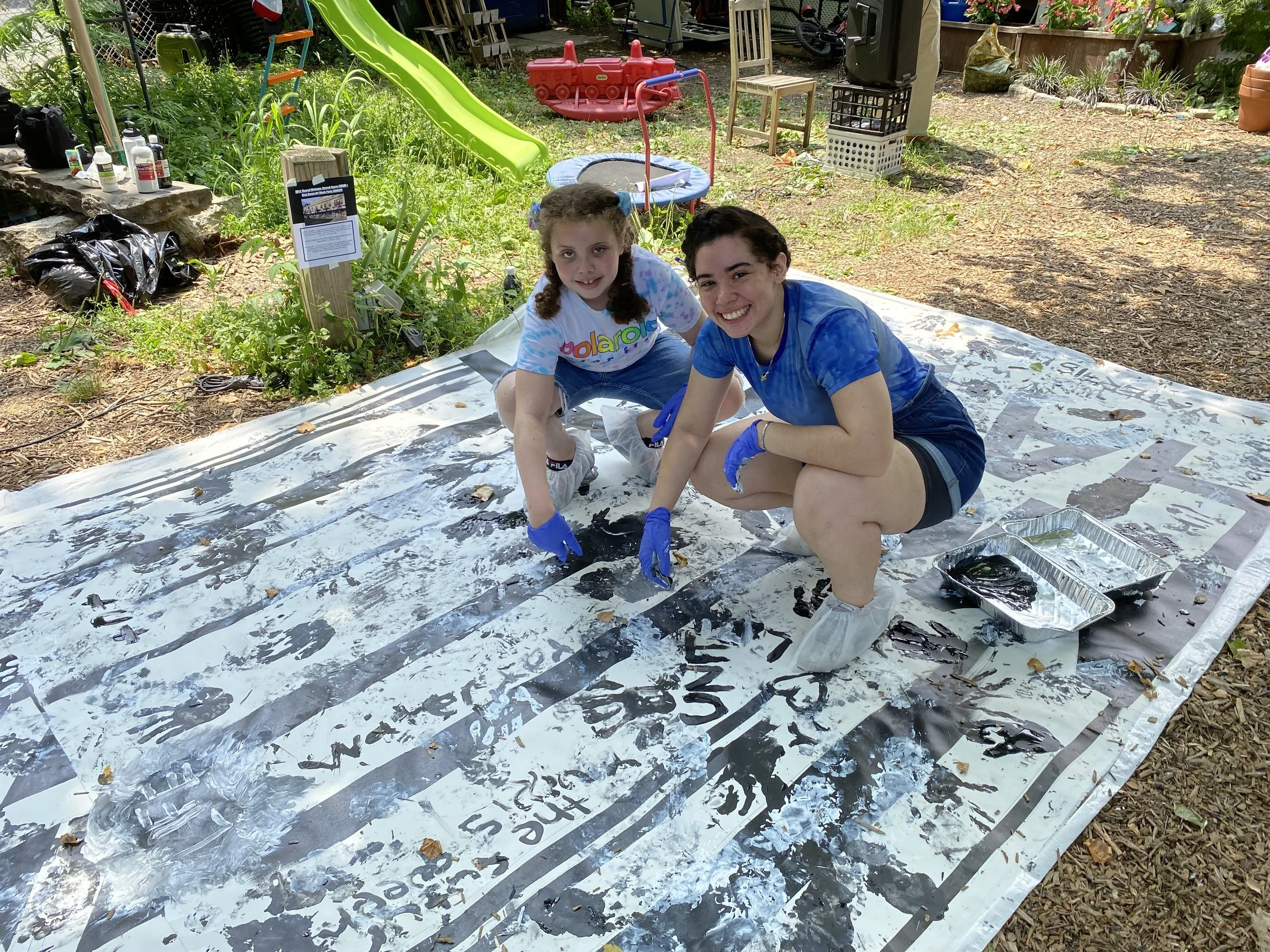
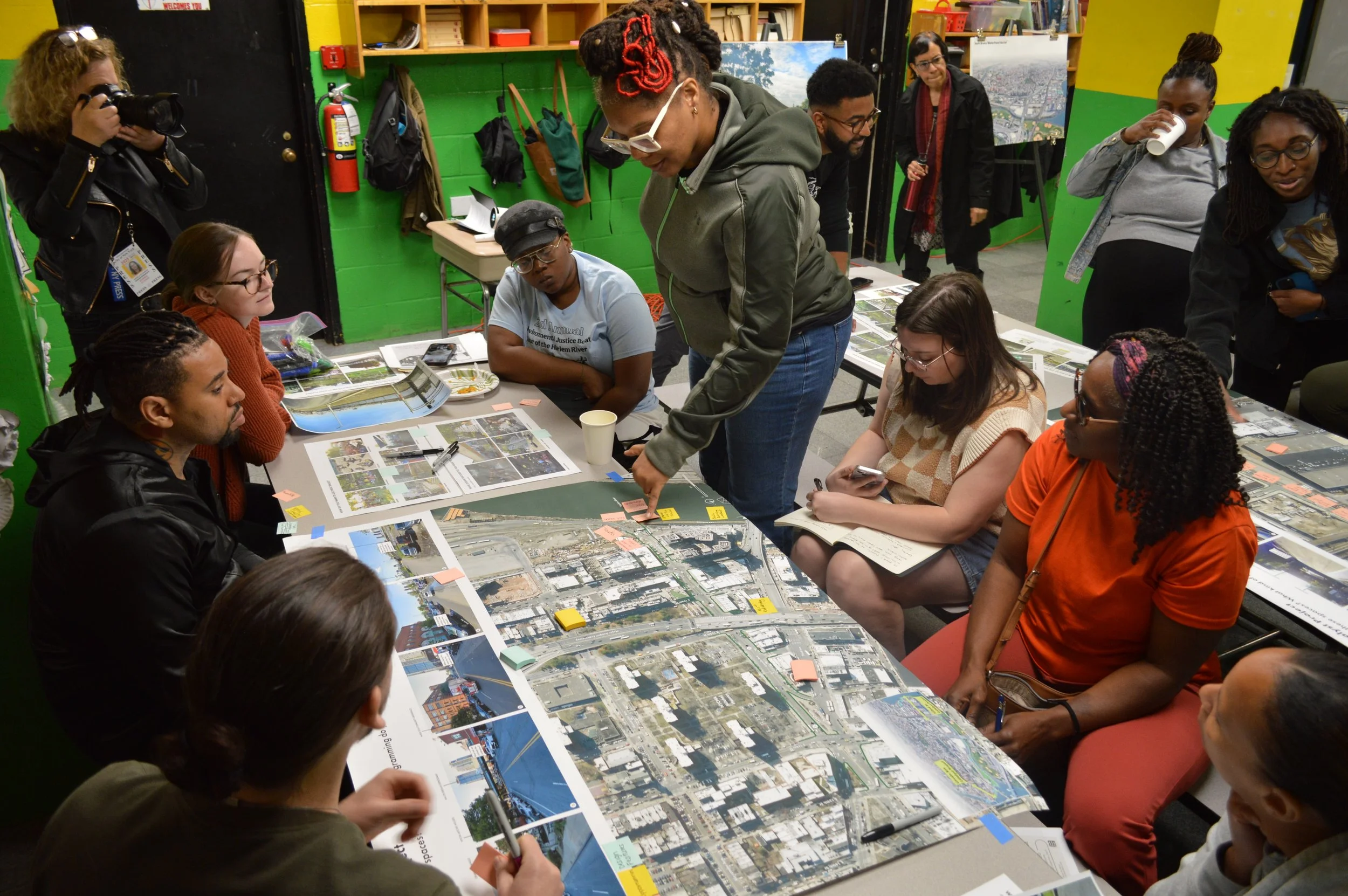
Through community visioning sessions, residents came together to imagine what our waterfront could become, a place for parks, kayaking, green space, and cultural events.
These conversations shaped the Mott Haven–Port Morris Waterfront Plan. They are the waterfront plan.
The ideas came not from outside consultants, but from the people who live here and deserve access to this waterfront the most.
The vision started with the community, and the community continues to lead the fight to make it real.
Community visioning is an ongoing process. If you live in the South Bronx, we want to hear your thoughts on what’s possible for our water.
Expanding The Tree Canopy
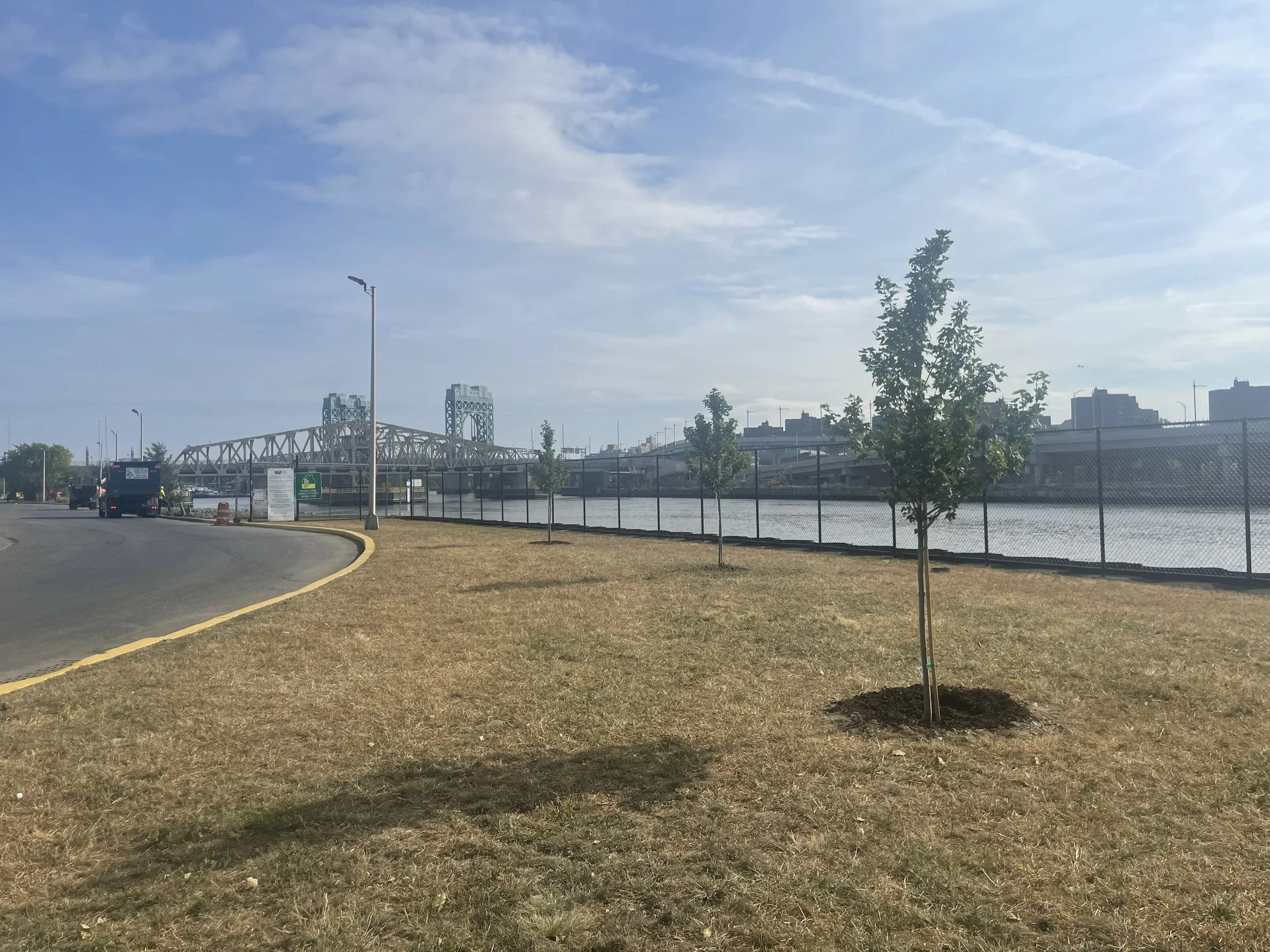
In 2024, we teamed up with Bronx Borough President Vanessa Gibson to add much-needed tree canopy to the Lincoln Ave street end.
We know that a lack of tree canopy means hotter summers, higher electric bills, and worse health outcomes. These trees are just the start of many more that we’ll plant as part of the waterfront transformation.
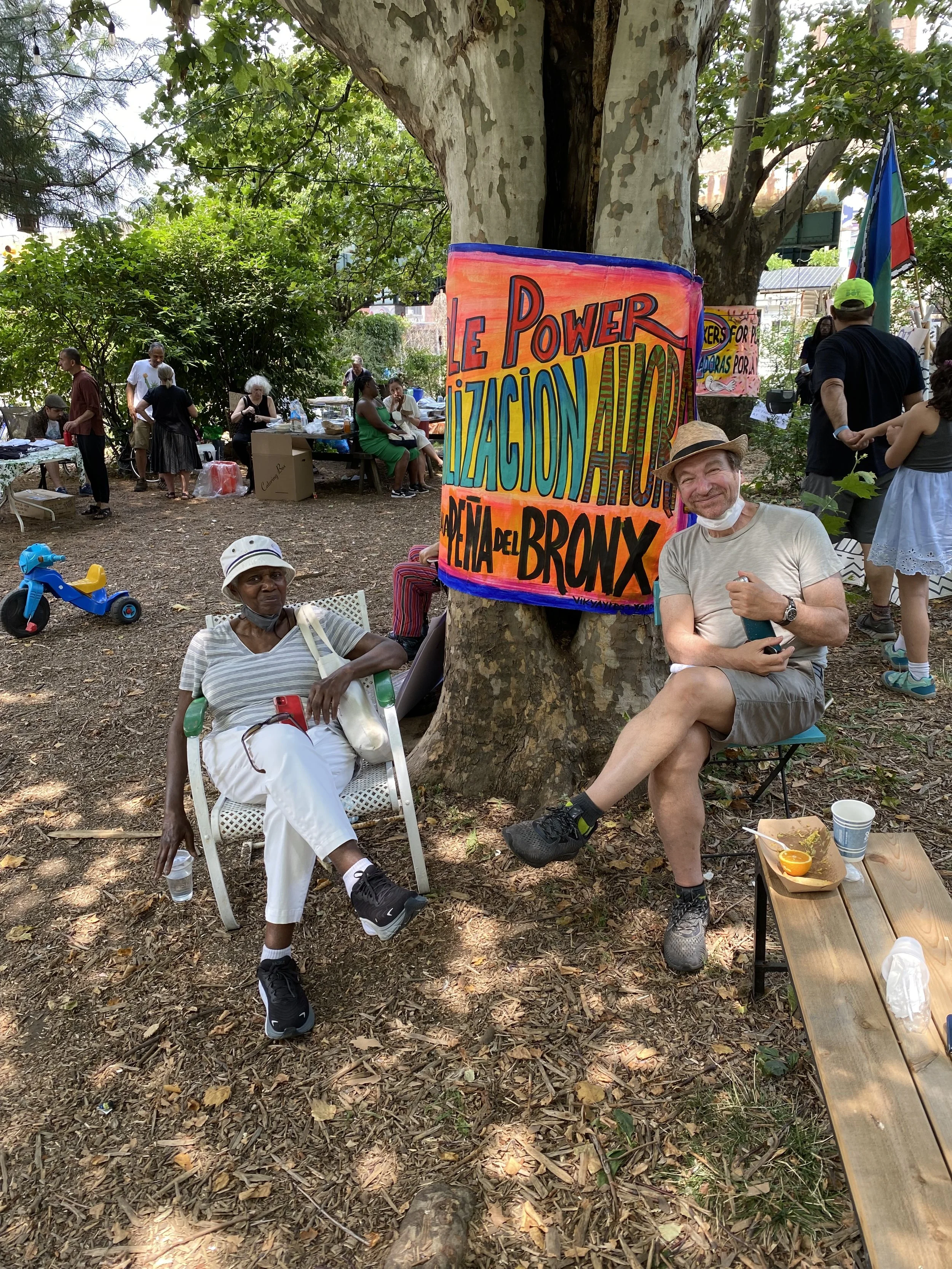
Waterfront Celebrations
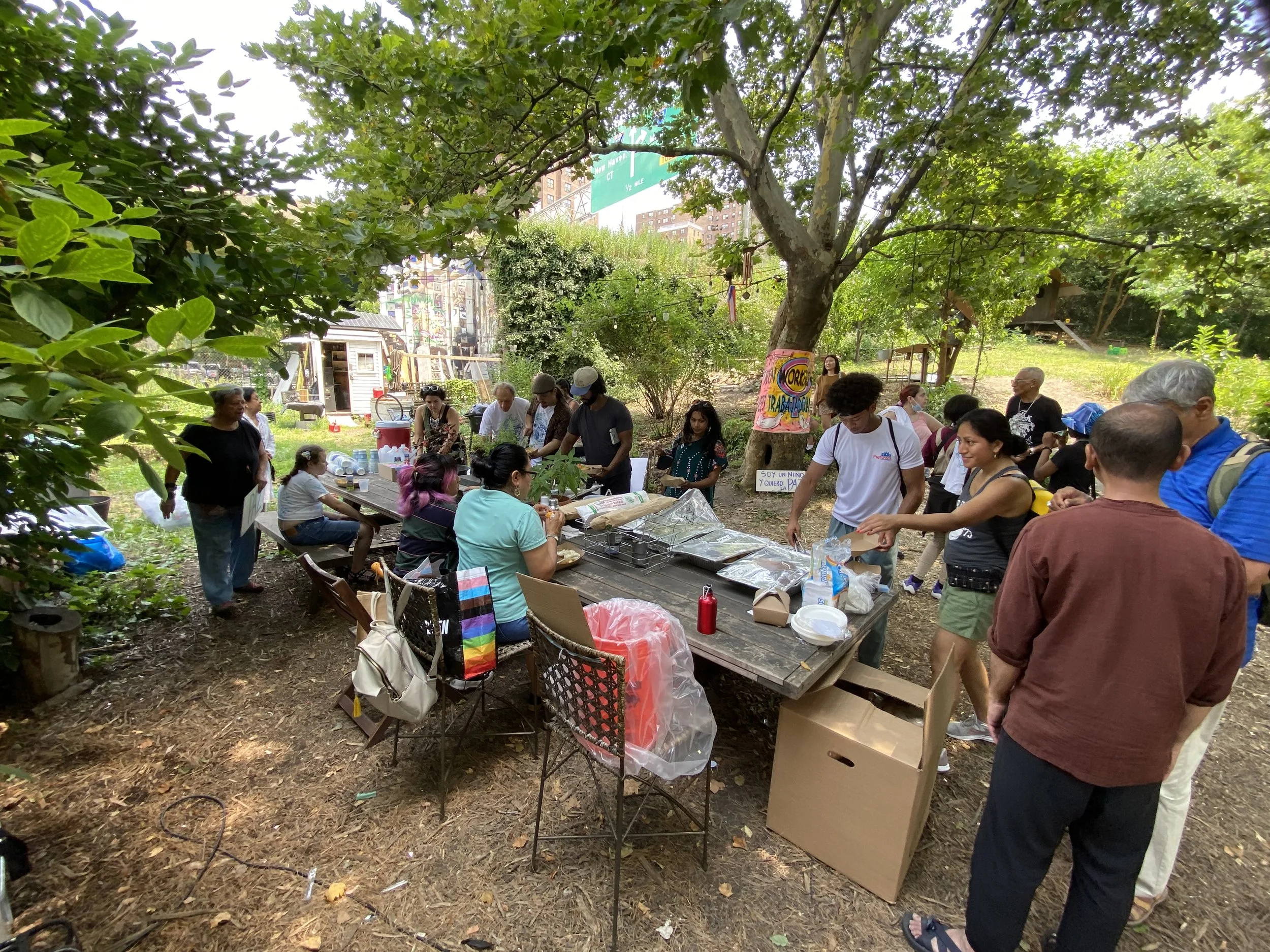
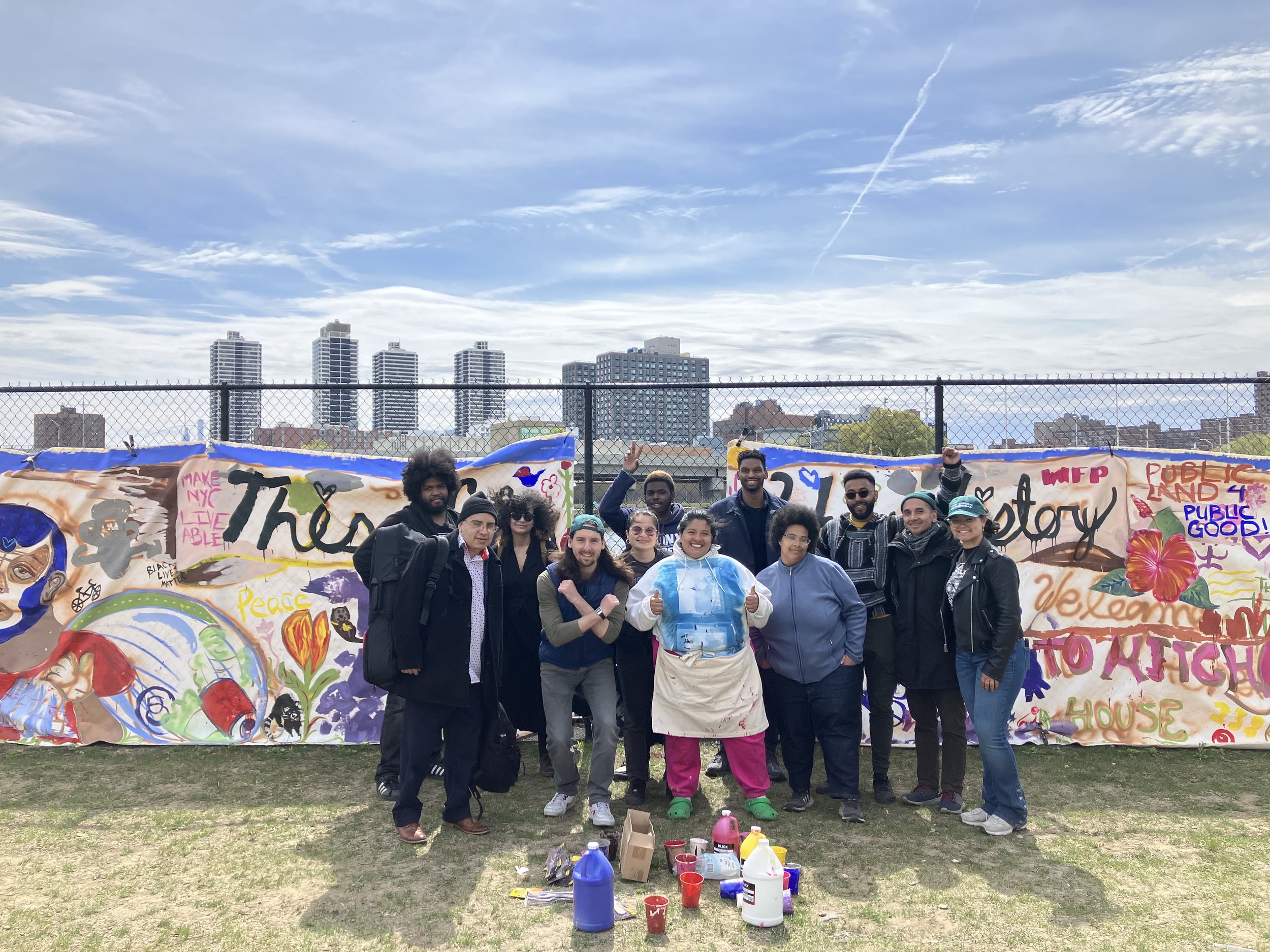
The Lincoln Ave Street End is one of the few access points we have to the waterfront. So we’re using it.
In 2024, we hosted our first barbecue with the community.
Seeing kids' smiles, parents taking pictures of the river, and people relaxing and were a powerful reminder of the urgency to advance the waterront plan.