WE BRING THE SOUTH BRONX TOGETHER
GREEN SPACE PROGRAM
When everything seemed against us…
the people of the South Bronx turned back to the land.
In the 60s and 70s, as highways bulldozed our neighborhoods and people fled the city en masse, landlords preferred to burn their own buildings and collect the insurance money rather than pay to repair them.
In the wake of rubble, the people of the South Bronx reclaimed the land.
Our people cleared out the empty lots and turned the spaces into community gardens.
They built fences, raised beds, and “casitas,” little houses, in homage to our Puerto Rican heritage.
Neighbors gathered to plant seeds, share food, sing, and rest. The gardens became the heart of the block, a place where the community could breathe again and grow our own healthy food.
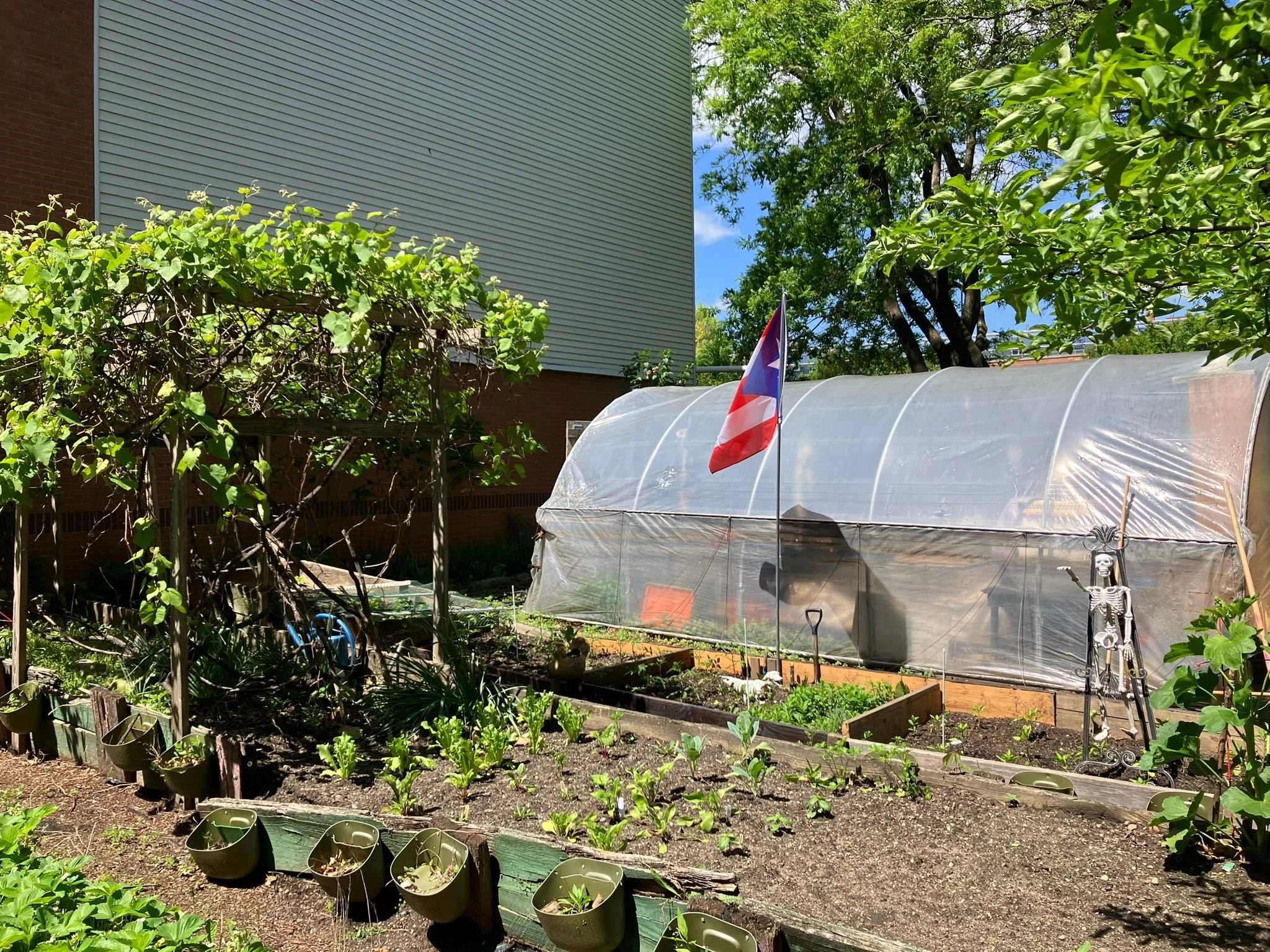
In a city that had abandoned our community, these gardens were acts of survival and self-determination.
That legacy is what guides our work today. We continue to reclaim land with projects big and small, some that take one day and others more than a decade.
Why We Need Green Space
-
Trees and plants clean the air. They capture particulate matter and absorb pollutants like nitrogen dioxide and carbon monoxide from car exhaust. Their leaves filter what our lungs shouldn’t have to.
-
Green space cools our streets, softens the heat trapped by concrete and asphalt, and reduces the urban heat island effect that makes the South Bronx several degrees hotter than wealthier, leafier parts of the city.
-
When it rains, soil absorbs and filters stormwater, preventing floods and sewage overflow. Without permeable ground, communities like ours bear the brunt of climate change.
-
Combined sewer overflow points release untreated sewage into our waterways during heavy rain. Green space helps reduce that burden.
-
Community gardens allow us to grow our own food and reconnect with culture. In the South Bronx, it’s common to find plants native to Mexico, Puerto Rico, and the Dominican Republic.
-
Green space is where community life flourishes, where elders rest and youth play. Demanding green space is how we reclaim our right to thrive.
Our Response: Reclaiming South Bronx Land
We build on the legacy of creating community-led green spaces.
From big projects transforming the Mott Haven-Port Morris waterfront all the way down to populating vacant tree beds, we’re reclaiming land for public good in our community.
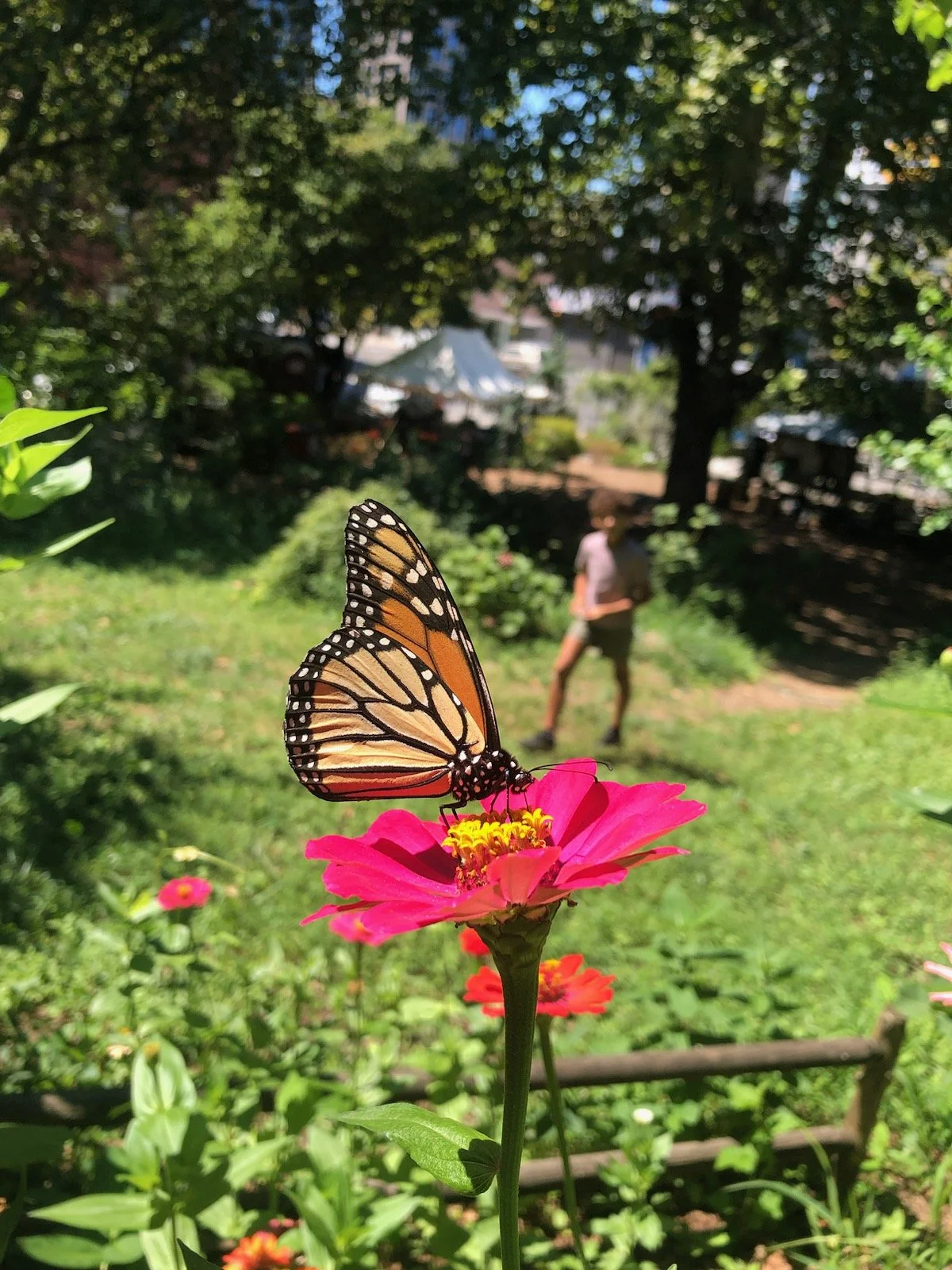
The Waterfront Plan
For over a century, the South Bronx has been cut off from its own waterfront access. Industrial zoning and waste facilities made the waterfront something to avoid.
The Mott Haven–Port Morris Waterfront Plan seeks to change that.
Developed by local residents and advocates, this community vision calls for transforming our waterfront into a network of parks, gardens, and resilient shorelines. We envision places where people can breathe, gather, and reconnect with our waterfront.
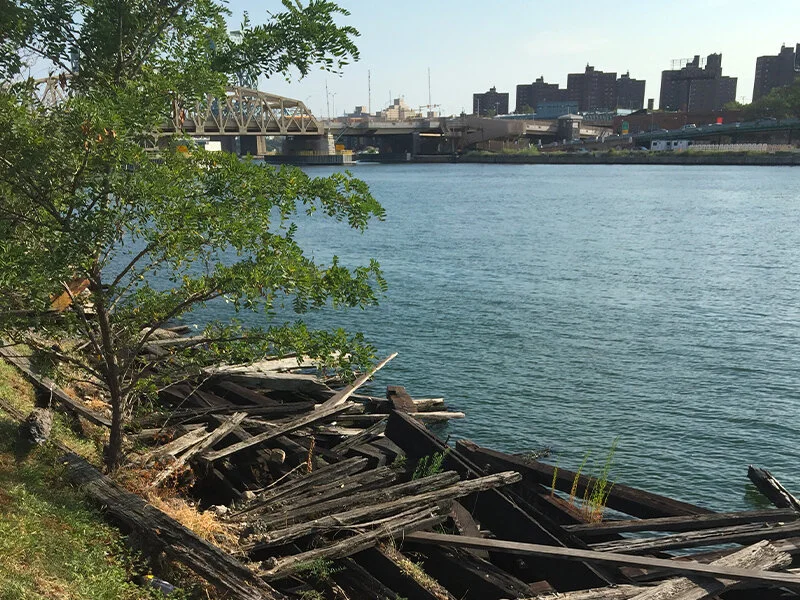
Maria Sola Green Space // Community Garden
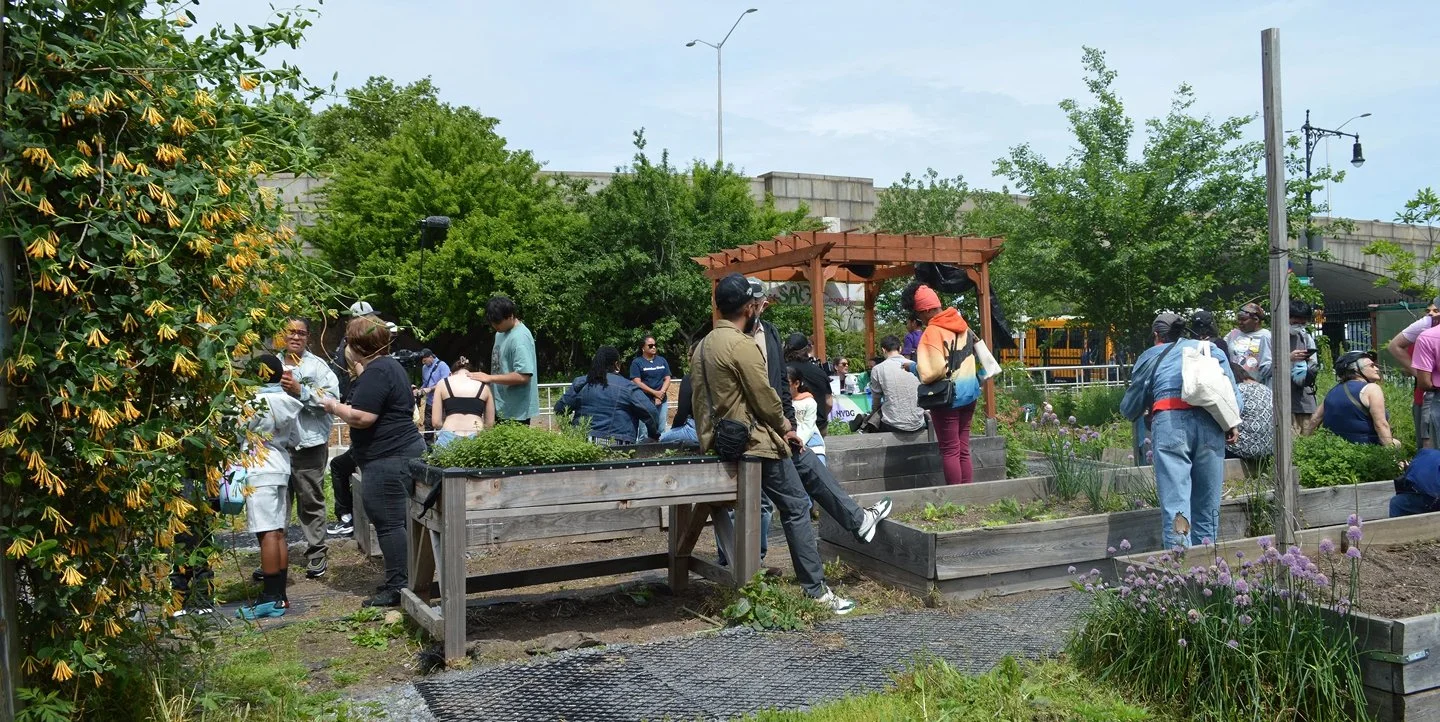
Tucked beside the Major Deegan, Maria Sola Green Space might not look like much from the highway, but it’s an example of the people of the South Bronx determining their fate for themselves.
The garden is part of New York State’s “Adopt-a-Highway” program. It was started in the 90s, but in 2018, when many founding members of South Bronx Unite found it underused, they stepped in to help steward it.
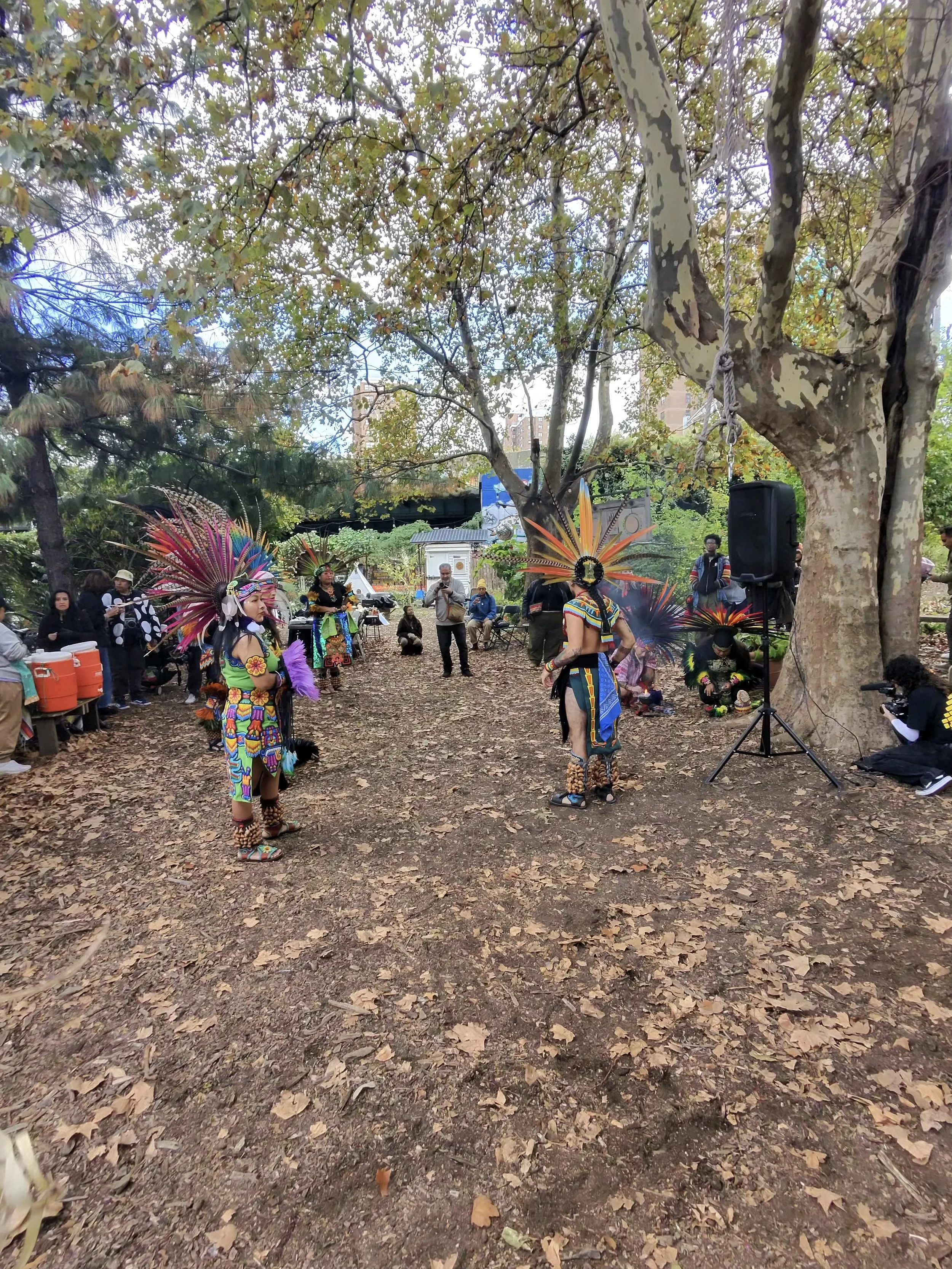
Today, the garden thrives as a volunteer-led community space under the stewardship of the Mott-Haven Port Morris Community Land Stewards, the land trust arm of South Bronx Unite.
Due to the polluted soil from the highway, the stewards don’t grow food. They focus on other initiatives like pollinator planting, stormwater management, compost, and year-round neighborhood events.
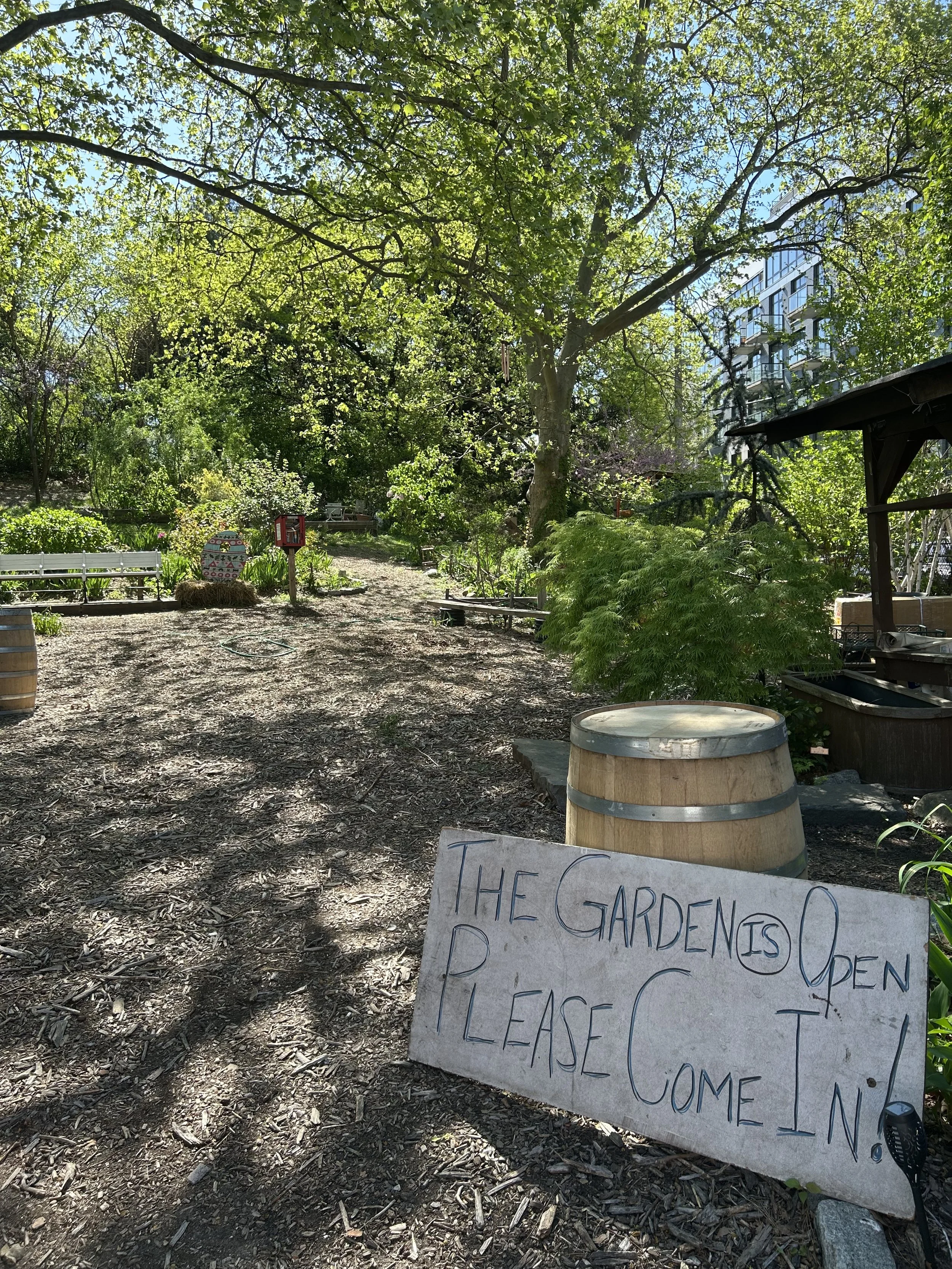
Activating Empty Lots
Across Mott Haven and Port Morris, we’re identifying other vacant or neglected lots that could become the next generation of green spaces.
Each project starts the same way: by listening.
We work with residents to imagine what they want to see, whether a garden, a pocket park, or a recreation space, and then help them bring that vision to life.
In 2025, we initiated community-envisioning for…
The Major Deegan underpass at Lincoln Ave
The old 40th Precinct NYPD building and its adjacent parking lot
An empty lot on 139th St
A vacant strip on 132nd St

NYC Green Impacts Calculator
We teamed up with Earth Economics to create the New York City Green Impacts Calculator.
One of the first questions elected officials and stakeholders often ask is, “How much does it cost?”
The calculator shows that providing the green space that we need to breathe is also common sense financially.
This knowledge helps us advocate for the green spaces we know we need.